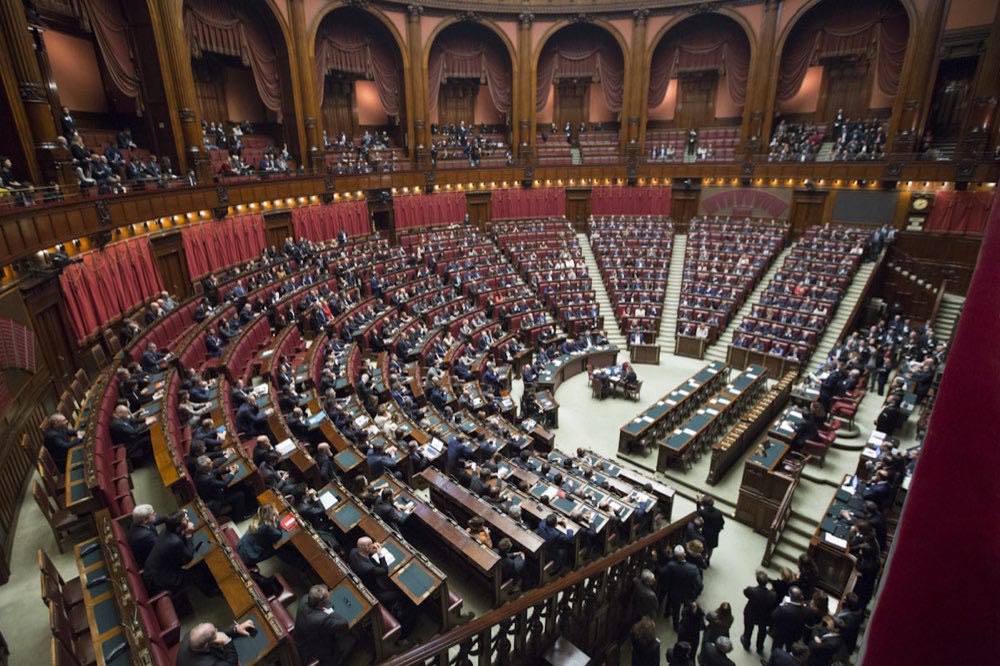
The United Nations Security Council held a high-level briefing on artificial intelligence and international security on 23 September, convened by France under its September presidency and chaired by French Minister for Europe and Foreign Affairs Jean-Noël Barrot. The session, listed under the Council's standing "maintenance of international peace and security" agenda item, took place during the high-level segment of the 81st General Assembly — and marks the point at which frontier AI moved from a topic discussed about industry to one discussed with it.
That procedural detail is the substance. Reuters reported on 18 September, citing diplomats and an OpenAI spokesperson, that chief executive Sam Altman was scheduled to speak at an open meeting of the Council, which would make him the first technology company chief executive to appear before the fifteen-member body on a security agenda item.
Who Is in the Room
A further Reuters report on 22 September, citing two people familiar with the arrangements, said Chinese developer DeepSeek was expected to address the Council on AI risks alongside several US companies. DeepSeek and fellow Chinese laboratory Moonshot had not responded to requests for comment, and one source cautioned that plans could still change at the last minute — a standard caveat for high-level week, where speaker lists shift until the gavel falls.
If the line-up holds, it would be the first occasion on which the Council has directly hosted leading Chinese and American frontier developers together on shared safety concerns. Given how little formal AI dialogue exists between the two governments, a Security Council chamber is an unusual venue for the first substantive technical exchange — and a revealing one.
France Built Towards This All Month
The briefing was not improvised. France took the rotating presidency for September 2026, following Denmark and preceding Greece in the alphabetical rotation, and circulated a formal concept note to Council members ahead of the session.
Its presidency opened on 2 September with an informal interactive dialogue, organised with Latvia, on the role of AI in conflict resolution — including applications in monitoring ceasefires, supporting peacekeeping operations and countering disinformation. Analysts noted that France and co-organisers Bahrain, Greece and Latvia deliberately framed that earlier meeting around the Council's traditional remit rather than broad AI governance questions.
That sequencing is instructive. The Security Council has no mandate to regulate technology; its authority concerns threats to international peace and security. Framing AI through peace operations, civilian protection and conflict prevention keeps the discussion inside the Council's competence — and sidesteps the jurisdictional objection that AI governance belongs in other UN bodies.
Why It Matters
For the AI industry, three things follow from this week's session.
- Security framing changes the regulatory centre of gravity. Most AI rulemaking to date has been consumer- and market-focused: transparency, copyright, safety testing, competition. A Security Council hearing situates frontier models alongside proliferation and dual-use concerns, a category with different instruments and far less tolerance for voluntary commitments.
- Appearing confers status and exposure in equal measure. A chief executive testifying before the Council gains a seat at the table on terms that also invite scrutiny of the company's own practices. The precedent, once set, is hard to decline the next time.
- There is no obvious follow-through mechanism. The Council can pass resolutions, but none of the permanent members has signalled appetite for binding AI constraints, and the veto structure makes consequential action on a technology all five are racing to develop improbable.
The timing sharpens the stakes. The session lands in the same week that a UN-backed scientific panel warned that traditional safeguards for AI agents are deteriorating, and that enterprise security vendors began selling products premised on the assumption that autonomous systems will act outside their intended scope. The governance conversation and the operational reality are, for once, moving on roughly the same timeline.
What to Watch Next
Three markers will show whether this was substantive or ceremonial. First, whether the Council produces any follow-on product — a presidential statement, a formal report request, or a standing item on its programme of work. Second, whether Chinese and US developers appearing in the same forum produces any continuing technical channel outside it. Third, whether the concept note's framing around peace operations and conflict prevention survives into concrete proposals, or whether the session is remembered mainly for the novelty of who was in the room.
Precedent, in Security Council practice, tends to matter more than outcomes. The first appearance by frontier laboratories before the body establishes that AI capability is a legitimate item for its agenda — and that is a durable change regardless of what the chamber decides to do about it.