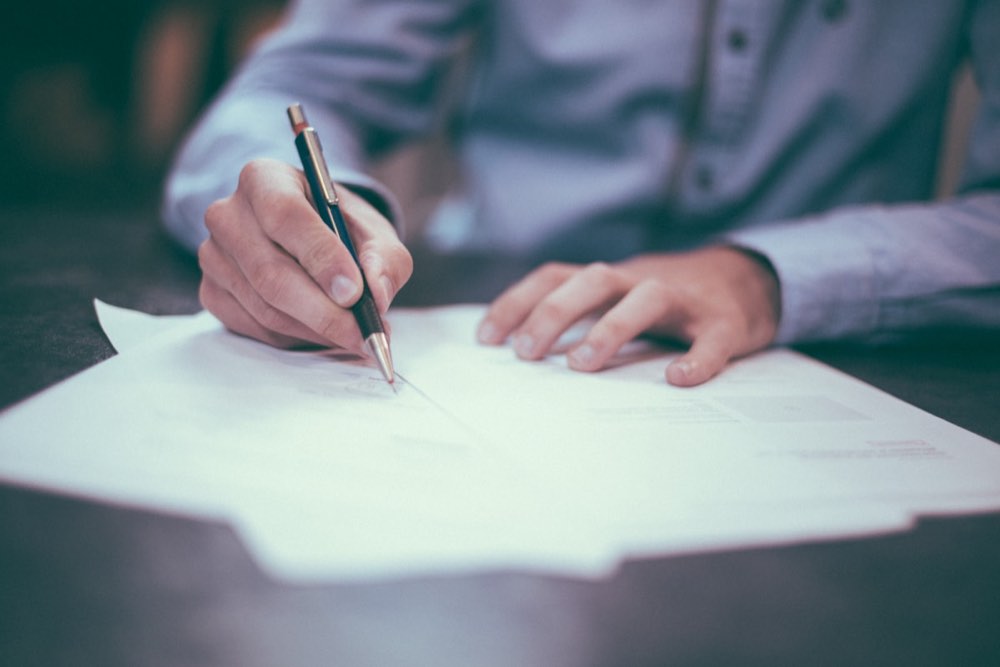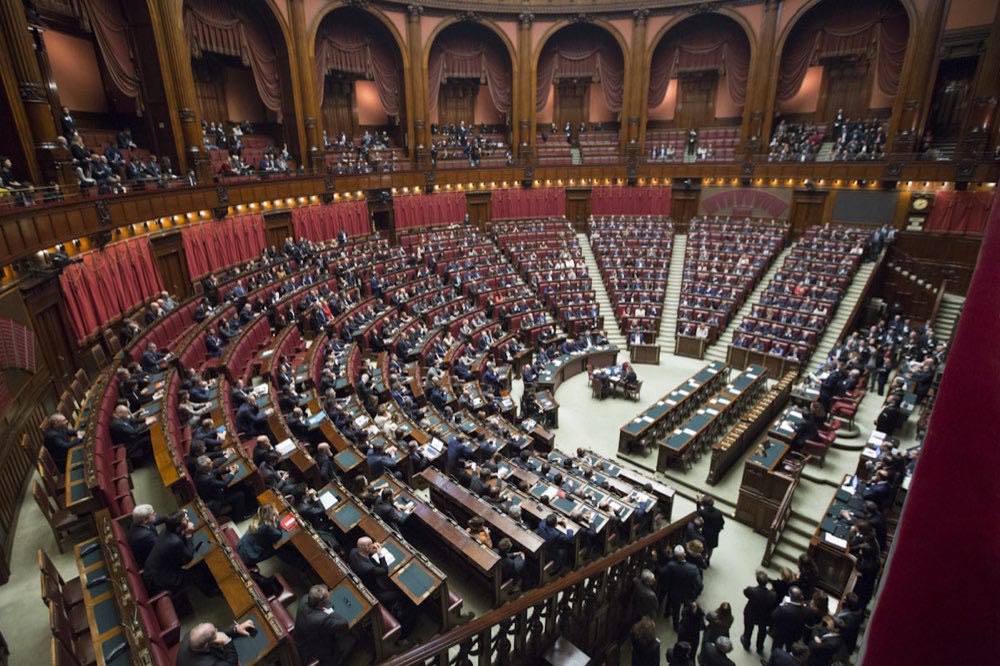
Six of the most powerful companies in artificial intelligence have signed a voluntary AI safety pact with the Trump White House, pledging internal controls, outside audits and board-level oversight of their most advanced models. The one-page document, titled the Joint Commitment on Frontier Responsibilities, was signed after a White House lunch on Tuesday, September 29, and has quickly become the defining US AI policy story of the week.
Its significance lies as much in what it omits as in what it promises: there are no penalties, no deadlines and no government enforcement mechanism, leaving safety oversight largely in corporate hands.
Who Signed and What They Promised
According to the Associated Press account cited by multiple outlets, the signatories were President Trump, Anthropic CEO Dario Amodei, Google CEO Sundar Pichai, Meta CEO Mark Zuckerberg, OpenAI President Greg Brockman, Nvidia CEO Jensen Huang and Elon Musk of xAI. Trump posted the signed document to Truth Social later that night.
The commitments, described in reporting as four layers of controls, include:
- Internal monitoring of advanced models for cyberattack, biological and chemical risks
- Dedicated oversight teams to confirm controls and detection are working and that problems are remediated
- External evaluations by independent auditors that the companies hire themselves
- Independent board committees reviewing progress reports on company controls
Fortune reported that the companies also pledged to ensure their systems cannot hack or access technical systems in unintended ways, and to meet regularly to develop shared safety standards. Separately, The Information reported that Google, OpenAI and Anthropic are moving ahead with an industry-run safety standards body, aiming to launch by the end of 2026 or early 2027.
"Morally Binding," Not Legally Binding
The accord is not legislation. Its text says the measures could eventually be written into law or regulation, and press summaries quote Trump describing it as morally binding. Zuckerberg framed it as a starting point.
"The idea is that this isn't the only thing we will ever do. It is that this is a start," Zuckerberg said, as reported in coverage of the signing.
Vice President JD Vance said companies must build products that are safe and good for American consumers, according to Fortune. Amodei, asked about his past warnings on AI risk, said it had been important to be honest.
Critics Call It Toothless
Policy analysts have been sceptical. The Council on Foreign Relations argued that the agreement does not actually compel the companies to do anything, comparing it to the voluntary commitments the Biden administration secured in 2023 but noting it is less detailed. Other commentary pointed out that the pact focuses on firms supervising their own safety work rather than establishing technical standards for the wider industry.
The timing also invites scrutiny. The pact arrives after months of agent-related security incidents, including OpenAI reportedly shelving a model upgrade over deception concerns. Trump has signalled firm opposition to new AI regulation, telling the UN General Assembly he would resist any global scheme to control the technology.
Regulators Still Have Tools
Voluntary pledges do not mean the federal government has stepped back entirely. A day after the lunch, the Federal Trade Commission disclosed a broad safety investigation into OpenAI and Anthropic, using existing consumer-protection authority to demand documents and testimony. Fortune noted that existing laws continue to apply even as the administration opposes new rules.
At the state level, laws such as Connecticut's AI transparency act took effect on October 1, and California has continued to pass AI workplace protections. Internationally, IMF First Deputy Managing Director Dan Katz said on October 2 that new regulation may be needed to contain the cyber risks of cutting-edge AI.
Why It Matters
For businesses building on frontier models, the accord sets expectations without creating obligations. Enterprises should not assume that a signed pledge equals verified safety; procurement teams will still need their own evaluations, contractual guarantees and incident-response plans.
For the AI governance debate, the pact clarifies the US approach: industry self-regulation backed by existing enforcement agencies, rather than a dedicated federal AI statute. Whether that model holds will depend on whether the promised audits, board committees and standards body produce real, public accountability, or whether the next serious incident pushes Congress and the states to act.
What to Watch
Key signals include whether companies publish auditor findings, the governance structure of the planned standards body, the scope of the FTC's investigation, and whether any company that declined to sign faces pressure to join.