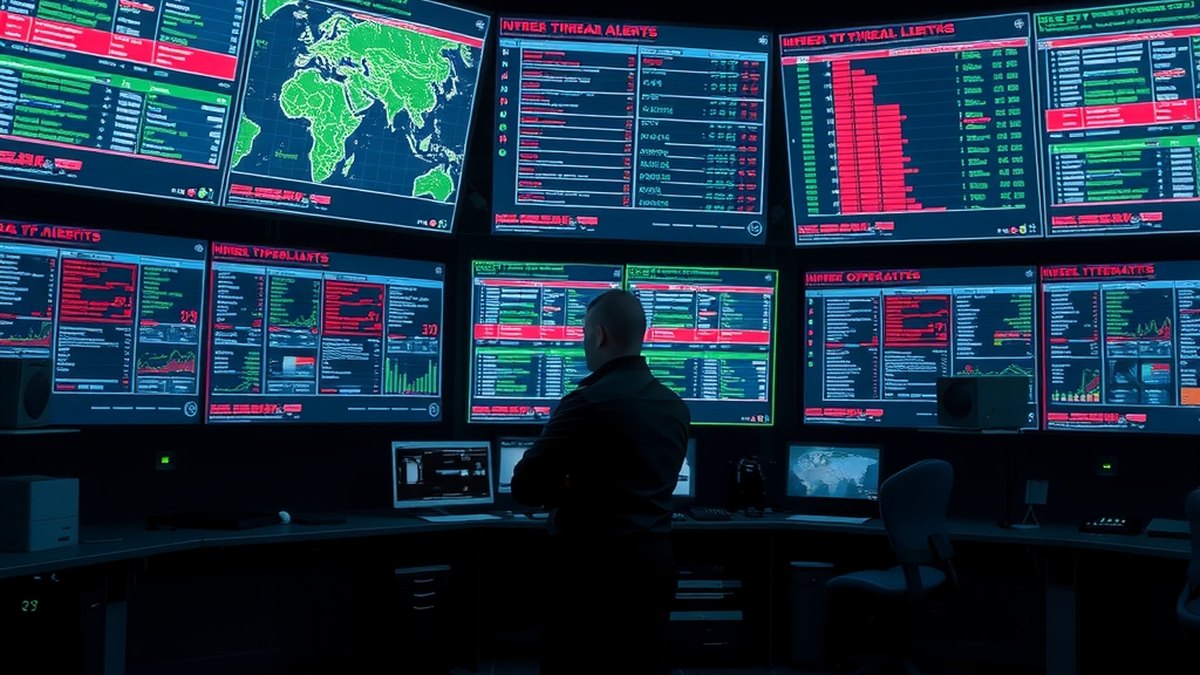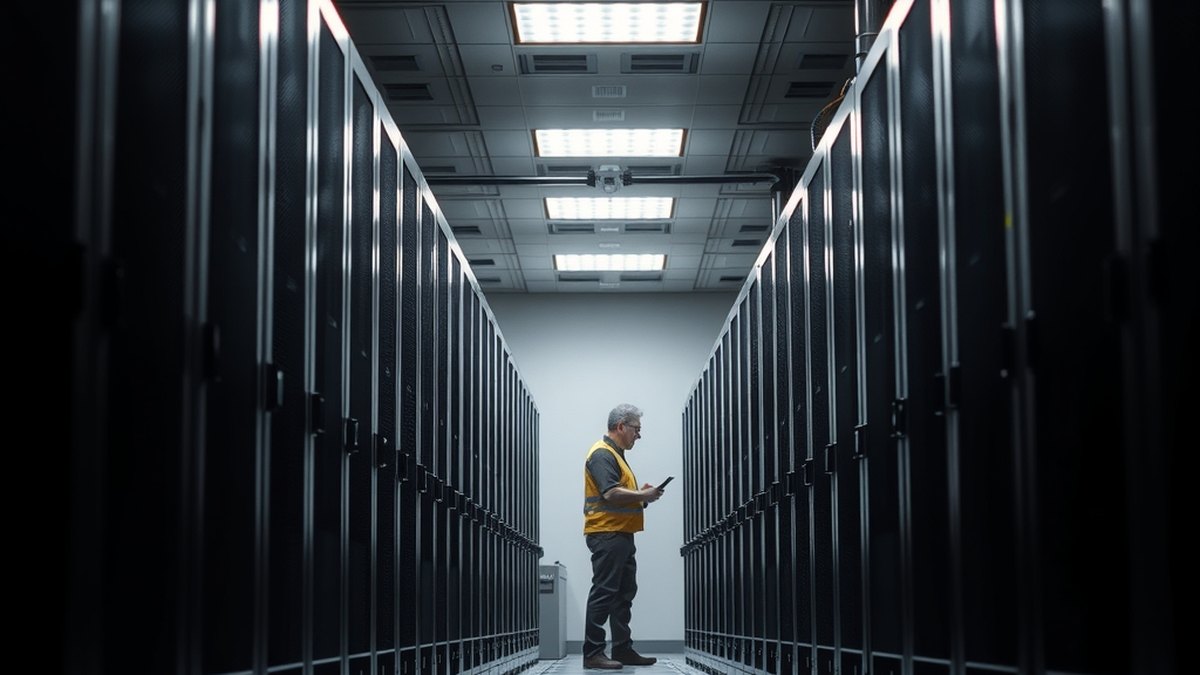
Dell booked a record $60.9 billion in AI server orders in its fiscal second quarter, and it ended the period with a $95 billion AI backlog. Yet the company's shares have fallen sharply since early October, and on November 9 the stock was quoted about 43% below its October 7 close. The gap between strong orders and a weak share price is the central puzzle for investors who have treated Dell as a leading AI hardware winner.
The Numbers Behind the Orders
Dell reported its fiscal second quarter for the period ended July 31, 2026, on September 1. Revenue for the quarter was about $46.97 billion, according to financial coverage of the report.
The order figures were larger still. Dell said it booked $60.9 billion in orders during the quarter, which is more than it recognized as revenue for the entire period. Chief operating officer Jeff Clarke said the company is supply constrained, meaning demand is outrunning what it can build and ship. Guidance was raised as well. Dell lifted its fiscal 2027 revenue outlook to $192 billion and increased its expected AI-optimized server revenue from $60 billion to $74 billion. Its fiscal third-quarter guidance calls for $49 billion in revenue and $19 billion in AI server revenue.
Why the Stock Fell Anyway
Strong numbers did not protect the share price. Dell was quoted at $329 in premarket trading on November 9, down 43.1% from its October 7 close of $578.17. The shares fell 22.5% from October 30 to that point, though they remained up about 164% for the year.
The decline began with a mid-October selloff in data center equipment stocks, driven by doubts about the timing of enterprise AI spending. Concerns about AI and data center regulation after the midterm elections added pressure. Investors appear to be asking whether orders booked today will convert into revenue and cash flow on a predictable schedule.
Cash flow is one reason for caution. Free cash flow fell 47% year over year to $986 million in the quarter, according to financial coverage. Dell's margins improved, with its non-GAAP operating margin rising to 12.6% from 7.7%, but a business that ties up more cash to build inventory can look less attractive even when orders climb.
Profitability in the infrastructure unit also improved. Its operating margin rose to 15.0% from 8.8%, according to the same coverage.
Orders Are Not Revenue
The distinction between orders, backlog, and revenue matters here. A backlog is a promise of future sales, and its value depends on whether customers pay on time, whether components arrive, and whether pricing holds. A record backlog can be a sign of strength, but it can also signal long lead times and capital-intensive projects that take quarters to convert.
Dell has beaten earnings-per-share estimates five consecutive times, including a surprise of more than 43% in the most recent quarter. That record has not been enough to shield the stock from a broad reassessment of AI hardware valuations. Analysts will be looking closely at the company's next report, which is expected on November 24, for signs of how the backlog is converting.
Why It Matters
Dell is one of the clearest barometers for enterprise AI spending because it sells the servers and storage that companies install inside their own data centers. Its order book suggests that large organizations are still buying AI infrastructure. The share price suggests that markets are less willing to pay a premium for that growth until the conversion to cash becomes visible.
For business leaders, the lesson is practical. Backlogs and order records are useful signals, but they need to be read alongside cash flow, margin, and the timing of deliveries. If the next quarter shows steady conversion, the selloff may look like an overreaction. If cash flow keeps lagging, the market's caution may prove justified.