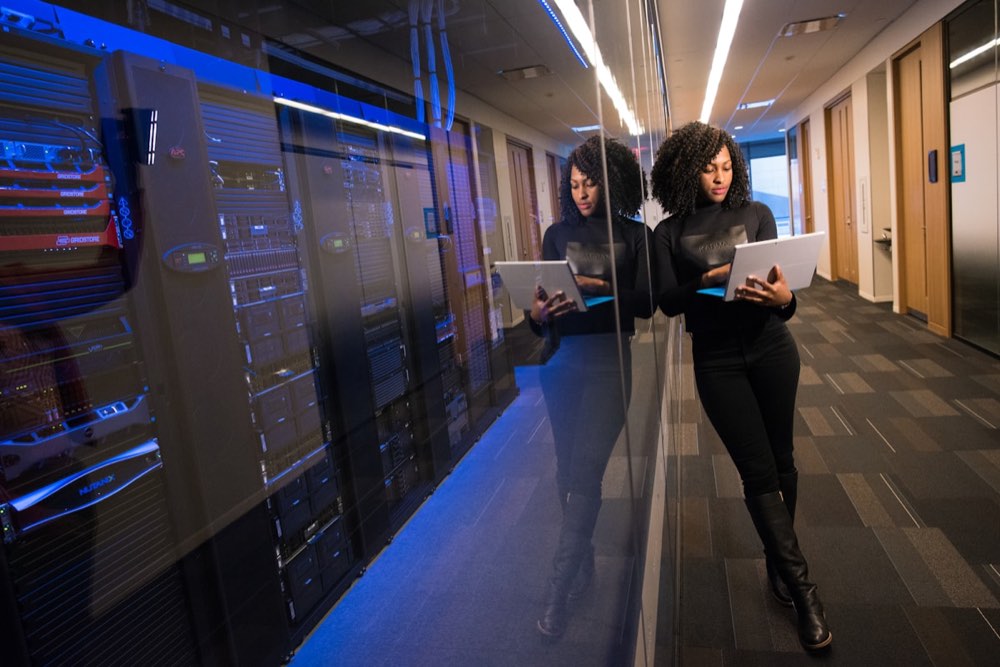
Meta has dramatically expanded the ambitions of its Hyperion data center project in Richland Parish, Louisiana, announcing that the facility will now scale to a full 5 gigawatts of capacity at a cost of more than $50 billion. The figure, revealed in a company blog post on July 13, is nearly double the $27 billion estimate disclosed last October — and five times the $10 billion price tag attached when the project first broke ground. It is the clearest signal yet that the AI infrastructure arms race is accelerating rather than cooling.
From $10 Billion to $50 Billion in Under Two Years
Hyperion's escalating budget tells the story of the entire AI buildout in miniature. When Meta first unveiled the Richland Parish project, it was pitched as a $10 billion, 2-gigawatt campus. By October, the estimate had climbed to $27 billion, with Blue Owl Capital joining through a joint venture to help finance and manage the buildout. Now the company says the site will span nearly 10 million square feet and draw 5 gigawatts of power — roughly enough electricity to supply 4 million average American homes at once.
The timeline is equally ambitious. According to a Meta spokesperson cited by CNBC, the project should reach 2 gigawatts of capacity by 2030, with the full 5-gigawatt supercluster complete around 2032. And the ultimate bill may climb far higher: a person familiar with Meta's plans told Bloomberg the project's long-term cost is now estimated at $250 billion.
The announcement landed after a strong stretch for Meta on Wall Street. The company recently posted its best trading week since early 2024 following the release of two major AI models developed under AI chief Alexandr Wang, as investors search for evidence that its outsized AI investments are starting to pay off.
Powering a Supercluster
Feeding a 5-gigawatt facility requires rebuilding a meaningful chunk of Louisiana's energy grid. Meta has agreed to finance generation and transmission projects with utility Entergy Louisiana, including:
- Seven combined-cycle natural gas plants
- Grid-scale battery storage installations at three separate sites
- Roughly 240 miles of new high-voltage transmission infrastructure
Entergy has estimated the arrangements will deliver about $2.65 billion in combined benefits to its customer base, and Meta says it pays the full cost of the energy, water, and related infrastructure the data center consumes so that local consumers are not left covering the tab.
A Windfall — and a Strain — for Richland Parish
The economics on the ground are striking. Since construction began in December 2024, local businesses have received more than $1.6 billion in contracts tied to the project. Meta has pledged over $1 billion for local infrastructure improvements covering roads, water, and wastewater systems, and the completed facility is projected to support more than 1,000 permanent jobs. The company is also donating $5 million to Louisiana Delta Community College, with Richland Parish high school graduates from the class of 2026 onward eligible for full scholarships toward data center-related trade certificates.
But Hyperion sits in a parish of roughly 20,000 people — one of the poorest in Louisiana — and the influx of thousands of construction workers has brought heavier traffic, rising rents, and even attempted evictions, according to Fortune's reporting. Consumer advocates, including the Alliance for Affordable Energy, have opposed the project on the grounds that it could ultimately raise utility bills. The state, for its part, is betting on growth: Governor Jeff Landry approved a 20-year sales tax exemption in 2024 for data centers built before July 2029 that create at least 50 jobs and $200 million in capital investment.
Why It Matters
Hyperion is a bellwether for where the AI economy is heading. Hyperscaler capital expenditure is already projected to reach roughly $725 billion in 2026, and Meta's willingness to quintuple a single project's budget shows that frontier AI labs believe compute — not talent or algorithms — is the binding constraint on progress. The 5-gigawatt scale also crystallizes the emerging tension of the AI era: enormous economic stimulus for the communities that host these facilities, set against real questions about energy consumption, grid strain, and who bears the long-term costs. For enterprises betting on AI, the message is that the supply of frontier compute is being built years in advance — and for competitors, the capital bar to stay in the race just moved higher again.
What to Watch Next
Meta reports second-quarter earnings on July 29, where investors will look for updated capital expenditure guidance — the company already raised its 2026 capex range to $125 billion to $145 billion earlier this year. Any further increase, or new detail on Hyperion's financing structure with Blue Owl, will shape how the market judges the sustainability of the AI infrastructure boom.