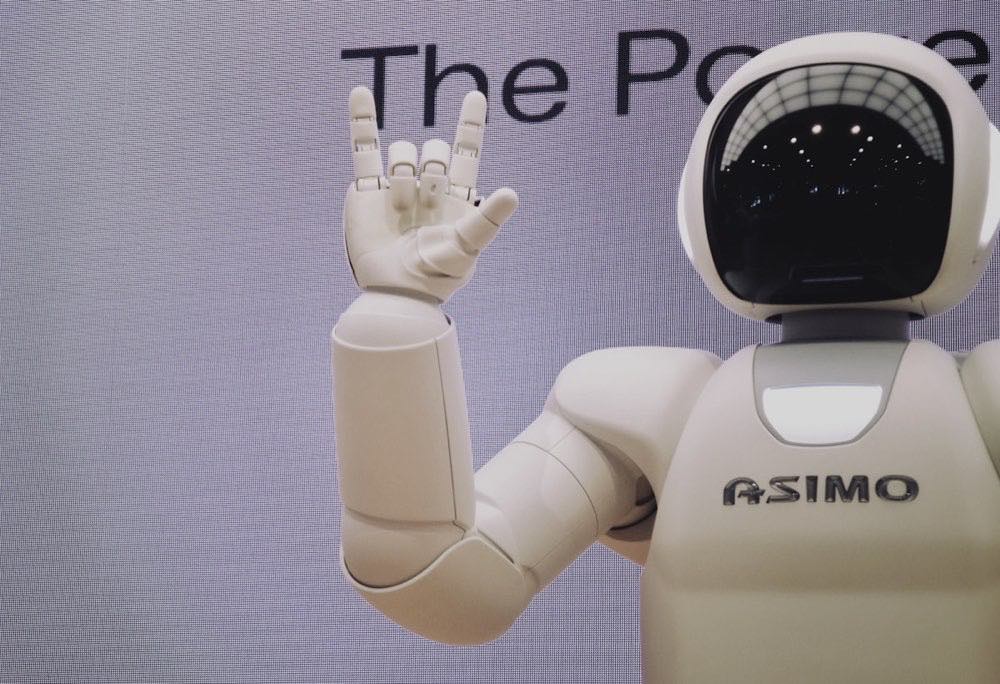
Unitree Robotics, the Hangzhou maker of humanoid and quadruped machines, is finalizing pricing for a Shanghai STAR Market debut that could rank among the most consequential public listings in robotics history. The company plans to raise roughly $618 million (about 4.2 billion yuan) at an implied valuation near $6 billion, a milestone that would give the fast-scaling embodied-AI sector its clearest public-market benchmark yet.
A Record-Fast Approval
Unitree received final approval from the China Securities Regulatory Commission on July 3, 2026, capping a review that took just 73 days from acceptance — reported as the fastest on record under the STAR Market's pre-review mechanism. The application was formally accepted by the Shanghai Stock Exchange on March 20, and the exchange's listing committee reviewed it on June 1. With pricing being finalized in late July, a debut is expected imminently.
According to its prospectus, Unitree intends to issue at least 40.45 million shares, a minimum 10% stake, implying an initial valuation of roughly 42 billion yuan, or about $5.9 to $6.2 billion. The trajectory is striking: the company was valued near $1.7 billion in a mid-2025 funding round, meaning its worth has more than tripled in roughly a year.
Profitability Sets It Apart
What makes the offering unusual is that Unitree is not a cash-burning moonshot. The company reported operating revenue climbing from 159 million yuan in 2023 to 393 million yuan in 2024 and nearly 1.7 billion yuan in 2025, with a core-business gross margin above 60%. For the first half of 2026, it guided to revenue between 1.05 billion and 1.13 billion yuan and adjusted net profit of 236 million to 283 million yuan.
That amounts to a net profit margin north of 35% — a rarity in a field where most humanoid developers are years from breaking even. Much of that resilience comes from Unitree's strength in actuators and quadruped robots, higher-volume products that fund the far costlier work of building general-purpose humanoids.
Where the Money Goes
Proceeds are earmarked for four projects: intelligent robot model R&D, robot body development, new product development and a manufacturing base. Notably, nearly half the funds target core technical challenges in embodied intelligence models — the AI "brains" that must translate perception into reliable physical action. That allocation underscores an industry consensus: hardware is maturing faster than the software needed to make robots genuinely useful across unstructured environments.
Unitree's shipment record backs its ambitions. In 2025 the company shipped more than 5,500 humanoid robots, which it says ranked first globally, while cumulative quadruped sales topped 33,000 units. Overseas revenue has consistently accounted for over 40% of the total.
Why It Matters
Unitree's listing arrives during a frenzied stretch for physical AI. In a single recent week, humanoid startups raised more than $1.2 billion in fresh capital, and the World Artificial Intelligence Conference in Shanghai showcased a wave of new machines. A profitable, publicly traded pure-play would give investors, competitors and policymakers a concrete valuation anchor in a sector often driven more by spectacle than by shipped, revenue-generating product.
- A benchmark for the field: Unitree's margins offer a reference point for pricing rivals still pre-revenue.
- Capital for the hard part: Public funding channels resources toward embodied-AI models, the sector's true bottleneck.
- A geopolitical dimension: As a leading Chinese robotics champion, Unitree's rise sharpens questions about supply chains, export exposure and national competition in embodied AI.
There are caveats for global investors. STAR Market shares are not directly tradable by most non-Chinese retail investors at debut, and access via the Shanghai-Hong Kong Stock Connect programme, if Unitree qualifies, typically arrives months after listing. Any purported "Unitree shares" offered before an official ticker exists should be treated with skepticism.
The Bigger Picture
The listing lands amid a sober reassessment of humanoid hype. Analysts note that only a handful of robots are doing documented, repetitive work at a small number of named sites today, and that deployment records — not demo reels — increasingly separate leaders from laggards. A profitable Unitree, funded by real product sales rather than promises, complicates the easy narrative that the entire category is running ahead of its fundamentals.
If pricing lands as expected, Unitree's IPO will be more than a fundraising event. It will be a market verdict on whether embodied AI has moved from "showing off" to "getting paid" — and a signal that the robotics buildout is entering a phase measured in shipments, margins and audited financials rather than viral clips.