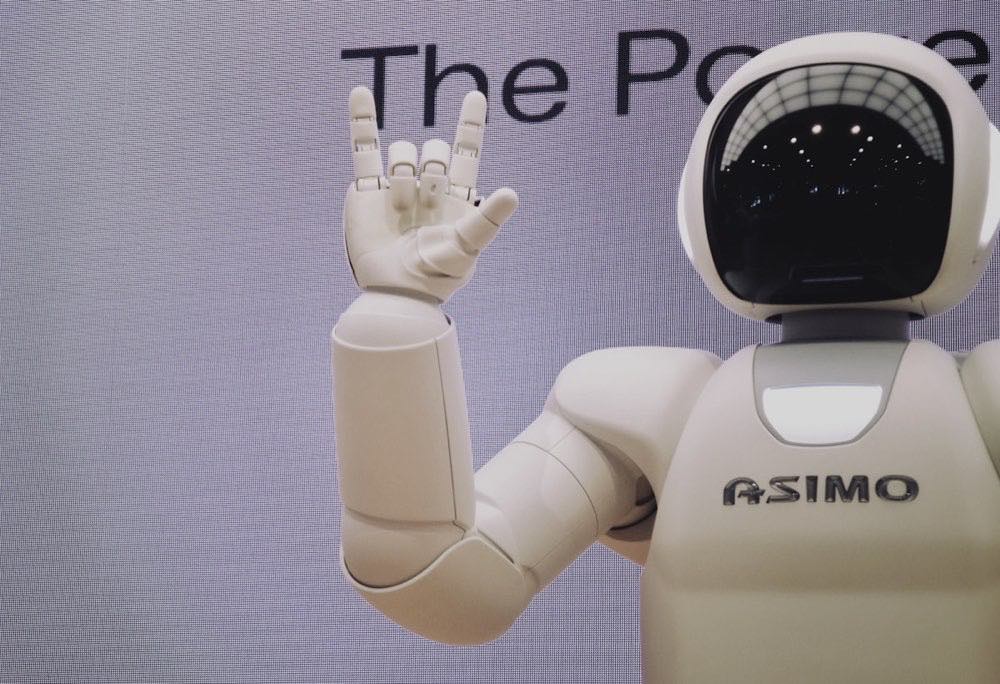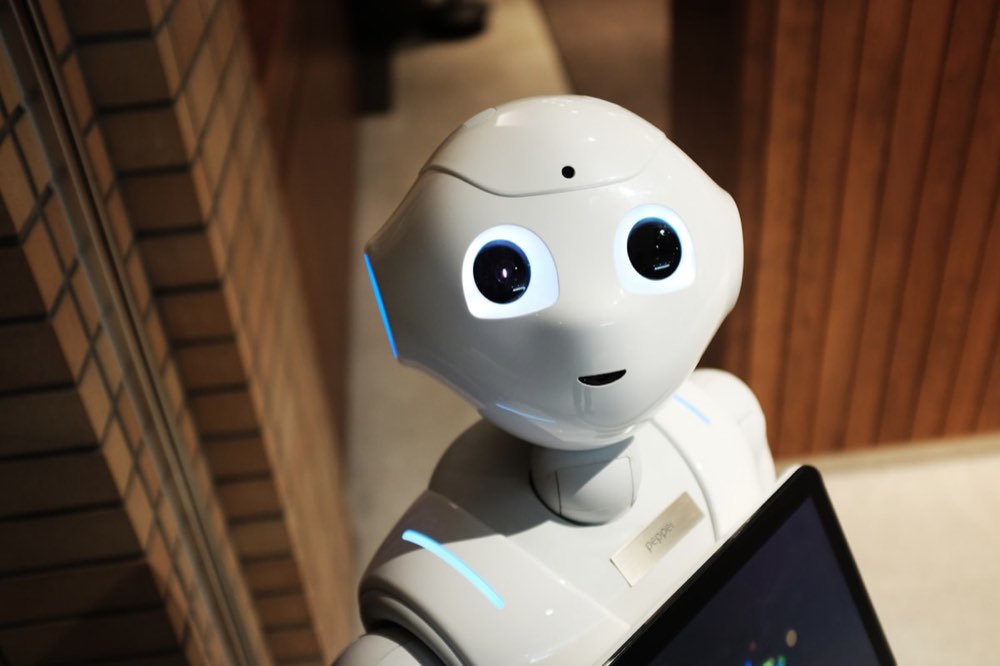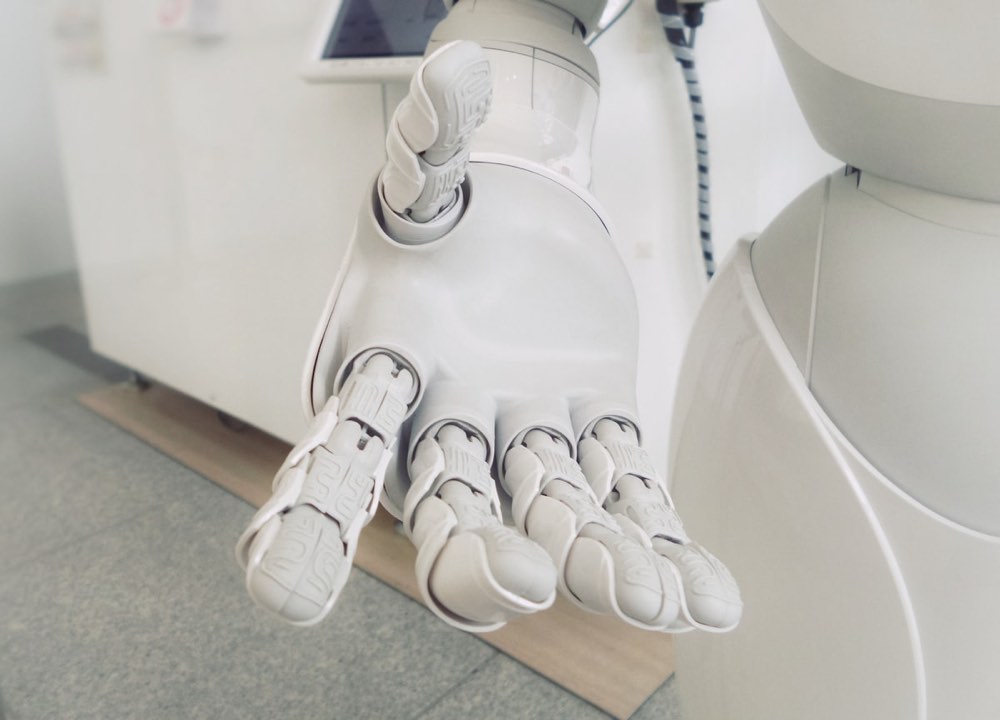
For a few hours this week, the corridors of the European Parliament in Brussels belonged to machines. Between 20 and 30 of the continent's most advanced AI-powered robots cleared breakfast tables, delivered parcels and climbed stairs in front of lawmakers, in an invitation-only showcase staged as the European Union confronts an uncomfortable reality: it invented much of the underlying science of modern robotics, and is watching China and the United States commercialise it.
The event was organised by euROBIN, the European Network of Excellence in Robotics funded through Horizon Europe, and held on 2 September 2026. It was less a technology demonstration than a political argument delivered in hardware.
What the Machines Did
The centrepiece was a domestic scenario that looks trivial to a human and remains genuinely hard for a robot. Four human-assistance robots — designed by France's INRIA research institute and the German Aerospace Centre (DLR), among others — cleared a breakfast table in ten minutes. One tidied cupboards and wiped down surfaces. Others returned orange juice and milk to the fridge, discarded empty packaging and loaded the dishwasher.
The robots moved slowly. Some tasks took several attempts. That candour was arguably the point: the demonstration was staged in front of legislators rather than investors, and no attempt was made to hide the gap between capability and reliability.
Other machines showed off narrower but more polished skills:
- KYON, a quadruped robot developed by the Italian Institute of Technology for logistics applications, made its public debut — bending its legs to pick up a parcel before handing it to a person.
- ETH Zurich's Transformer switched from four-legged to two-legged locomotion without losing balance, dropped back onto all fours, and climbed a flight of stairs.
Taken together, the lineup covered the two capabilities that matter most for commercial deployment: dexterous manipulation in unstructured spaces, and mobility across terrain built for humans.
The Ambition, Stated Plainly
Alin Albu-Schaeffer, coordinator of the EU-funded euROBIN network, framed the goal in industrial terms rather than research ones, saying the vision is that in ten years Europe should have a major robotics industry branch of the size and importance of the current automotive sector — potentially capturing a third of the global intelligent robotics market.
That comparison is deliberate. European automotive manufacturing is the template the continent knows how to execute: deep supplier networks, precision engineering, regulated safety standards and export scale. It is also, not incidentally, an industry under pressure from the same Chinese competition now visible in robotics.
Why It Matters
Europe's problem is not invention — it is scaling. EU lawmaker Axel Voss put it bluntly, noting that Europe is too often good at inventing technologies but too slow at turning them into global companies. Portuguese researcher Pedro Lima told AFP that Europe generated much of the underlying science but lacks the political will and funding to compete.
The competitive backdrop is stark. China has invested heavily in humanoid robots and recently staged a display of its progress at the World Robot Games in Beijing, where one machine broke Usain Bolt's 100-metre record. Whatever one makes of that benchmark as a measure of useful capability, it is an unambiguous signal of engineering investment and national priority.
There is a demographic argument underneath the industrial one. Europe faces an ageing population and a shrinking workforce, and researchers argue that humanoid machines could eventually take on factory tasks without requiring facilities to be rebuilt around them — the central practical appeal of a human-shaped robot in a world of human-shaped workplaces. That case remains largely prospective; the technology on display in Brussels is still experimental.
The discussions built on existing European initiatives including the AI Continent Action Plan and the Apply AI Strategy, placing robotics inside a broader push for technological sovereignty rather than treating it as a standalone research programme.
What to Watch Next
Three indicators will reveal whether the Brussels event was a turning point or a photo opportunity.
The first is funding structure. Horizon Europe supports excellent research, but research grants do not produce manufacturing champions. Whether the EU pairs this rhetoric with growth-stage capital and procurement commitments is the real test.
The second is standards. Europe's most reliable competitive lever has historically been regulatory: setting the safety and interoperability rules that global manufacturers must meet. Robotics safety standards for machines operating alongside people in homes and warehouses are still unsettled, and an early European framework could shape the market internationally.
The third is time-to-repeatability. The breakfast-table demonstration took ten minutes with occasional retries. Industrial buyers will not evaluate humanoids on whether a task can be completed, but on how often it completes without intervention, for how many hours, and at what total cost. Analysts have argued that 2026 is a validation year for humanoid robotics rather than proof of mainstream adoption, with the strongest evidence coming from narrow industrial and logistics work — exactly the niche KYON was built for.
Europe brought its science to Parliament this week. The harder question is whether it will bring its capital.