Meta has built an early humanoid robot prototype with Shanghai-based Fourier, and the company is already working on a second version. The project, reported in early November 2026, is aimed at internal research rather than a product launch. It brings one of the world's largest platform companies directly into the humanoid race, which until now has been led largely by robotics startups and specialist hardware makers.
The details in this article come from press reports rather than a Meta announcement that could be checked directly, so readers should treat the specifics as reported.
What Meta Built
The prototype is called Max, an internal codename, according to reports that were picked up by several outlets, including coverage of The Information's reporting. Meta reportedly developed the machine in about three months with Fourier, the Shanghai company that supplied the engineering partnership.
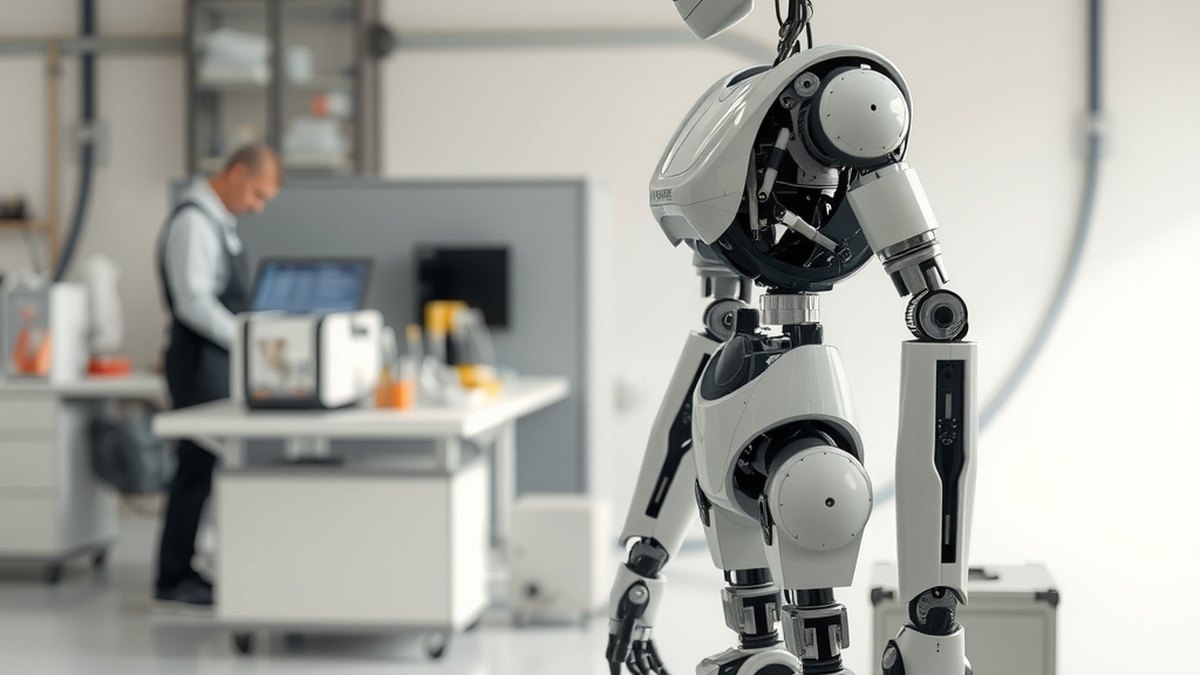
The reported specifications describe a robot that weighs about 106 pounds and stands roughly 1.5 meters, or about five feet, tall. One report says it is powered by NVIDIA's Jetson Thor computing platform, which is designed for on-robot AI workloads. The reports say the prototype is meant to help with household chores, but they do not list which tasks it can currently perform. That gap matters, because a chore-capable robot has to handle varied objects, unpredictable layouts and safety around people, and none of those abilities have been demonstrated publicly.
Research, Not Retail
The most important detail for buyers is what Meta does not plan to do. According to Dataconomy's summary of the reporting, Meta has no plans to sell the units. Max is intended for internal research and experimentation.
Meta has also not announced a launch date for a humanoid product, and no commercial timeline has been given. That leaves the project as an R&D effort, which is typical for a company testing whether embodied AI can be made useful in everyday settings before committing to hardware at scale.
The Second Version
Work on the next model, called Max 2, reportedly began in September. The reports describe several planned upgrades: a redesigned torso, improved hands, a projector and additional sensors that would help the robot climb stairs. Stairs are a demanding test for legged and humanoid machines, because they combine balance, perception and precise foot placement in a single task.
The pace matters as much as the design. A three-month first build suggests that large technology companies can move from concept to working hardware far faster than traditional robotics programs, especially when they partner with specialist manufacturers.
Why It Matters
For the humanoid market, the news reinforces a trend that has been building through 2026, as large companies move from demonstrations to hardware programs. That shift changes the competition. The advantage is moving toward whoever can supply reliable actuators, hands, sensors and AI models at a cost that makes sense for a machine doing many tasks, not only a single demo.
Meta's partnership model is also worth noting. Rather than building every component in-house, the company worked with a specialist manufacturer. That approach lets a software-focused company test ideas quickly, but it also means the hardware path depends on a partner's engineering schedule and supply chain.
It also raises a strategic question. A platform company that builds its own humanoid can test how a robot learns from its software ecosystem, from simulation to vision models. That gives Meta a view of the problems ahead even without a sales plan. Each prototype generation shows which capabilities, such as stair climbing or fine manipulation, are still hard.
The key point for readers is that the robot is still a research tool. Household humanoids remain a long-term goal, and no public timeline or price has been set. Still, the combination of a major AI company and an established Chinese robotics partner is a signal that the race to build general-purpose robots is entering a more serious phase, with hardware and AI teams working on the same machines.
Watch for three things in the coming months: whether Meta publishes task demonstrations for Max, whether Max 2 reaches testing in a real home-like setting, and whether the company shares any pricing or manufacturing details. Each would show how far the project has moved beyond the lab.