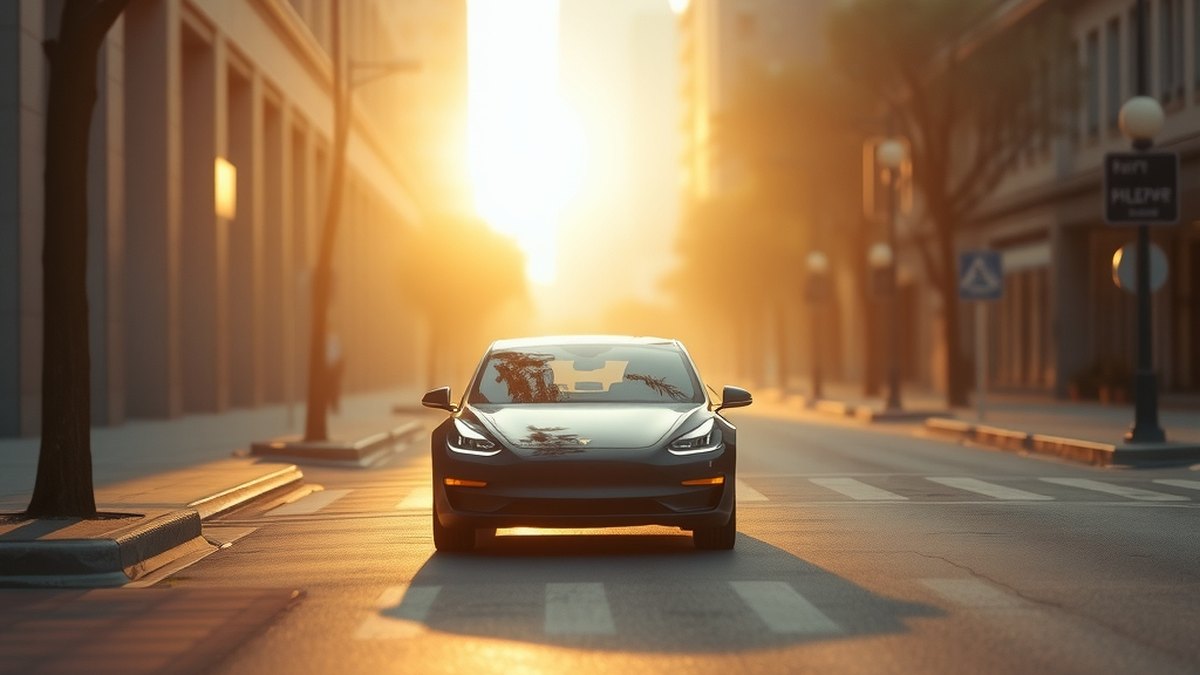
Tesla's unsupervised robotaxi service began carrying passengers in San Antonio on November 9, making the Texas city the company's eighth market for driverless rides and its largest service zone so far. Rides started at 5 a.m. Central Time across roughly 274 square miles, a slightly bigger footprint than Tesla's Austin zone. The launch came about a week after unsupervised service started in Fort Worth on November 2.
A Fast Run Through Texas
The San Antonio rollout continues a pattern that Tesla has pursued through 2026. Tesla is now offering unsupervised rides in eight cities, which together cover about 4.2 million people, according to coverage of the launch. The vehicles in San Antonio are Model Y robotaxis, and Tesla has not said how many cars are deployed in the city.
Fort Worth was not on Tesla's list of upcoming cities before its launch, while San Antonio had been. Las Vegas, Phoenix, and Jacksonville remain on the company's list of upcoming markets. Taken together, the sequence shows Tesla moving quickly from announcement to live service in Texas.
The speed of the rollout is notable because it arrives as Tesla shifts its manufacturing priorities. On November 9, Elon Musk said on X that Tesla will end Cybertruck production at its Gigafactory Texas, with the line expected to close in about eight months. The production line is expected to be dismantled around June or July 2027, and its capacity will be redirected to the Cybercab, a two-seat robotaxi with no steering wheel or pedals.
The Cybercab Question
The Cybercab is central to Tesla's plan, and it is also the part of the program facing the most regulatory scrutiny. Tesla began offering paid rides in a limited fleet of Cybercabs in Austin in September 2026. The company has said it hopes to begin selling Cybercabs to customers by the end of 2026, but that timeline depends on regulatory approvals.
Reuters has previously reported that U.S. automotive safety regulators questioned whether the Cybercab's design complies with federal motor vehicle safety requirements. That question is important because a vehicle without a steering wheel or pedals cannot rely on the conventional rules written for human-driven cars. Any approval would likely shape how fast Tesla can scale beyond its current Model Y fleets.
The Cybertruck decision also reflects weaker demand for the pickup. U.S. Cybertruck sales fell 48% to 20,237 units in 2025, from 38,965 in 2024, and sales through September 2026 were down another 28% year over year. Musk's choice to reallocate the factory space signals that Tesla sees its autonomy business as the more important use of that capacity.
Redirecting a Texas production line to the Cybercab makes the company more dependent on the success of a vehicle that has yet to clear its regulatory questions. Tesla also said it will add a production shift to fill outstanding Cybertruck orders, though some customers who placed deposits will receive refunds instead.
What Riders and Regulators Should Watch
For riders, the San Antonio launch means another city where a Tesla robotaxi can be hailed without a safety driver. For regulators, it adds a large, unsupervised service area in a single launch, which raises the stakes for incident reporting and oversight. Tesla has not published detailed safety data for the new zone in the coverage available so far, so independent verification will matter.
Competitors are watching the same market, and Tesla's fleet growth is routinely measured against the driverless services that rivals have operated for longer.
Why It Matters
The San Antonio launch is a test of whether Tesla can turn a large vehicle fleet and a broad software stack into paid service at scale. Eight cities is a meaningful footprint, but the economics depend on utilization, maintenance costs, and whether regulators accept a vehicle design that departs from conventional cars.
The next signals will come from the Cybercab approval process, the size of the San Antonio fleet, and whether Las Vegas, Phoenix, and Jacksonville follow on a similar timetable. Each step will show whether Tesla's robotaxi plans are advancing as fast as its launch calendar suggests.