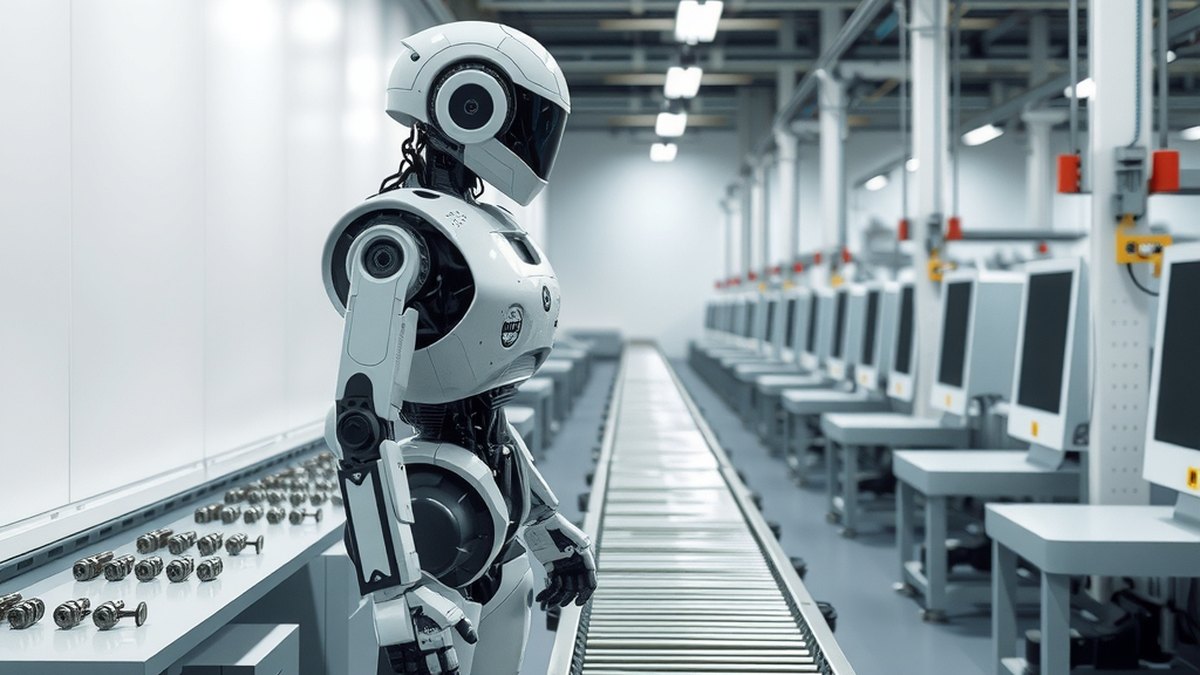
ASUS has put its first humanoid robot, Gallop, to work on a live factory line, packing motherboard accessories at a single station. The company's target is 99.5 percent success within 20 seconds per board, a pace it says matches the standard it holds human workers to. The demonstration is a test of whether a humanoid can handle a complete, repetitive task in a real electronics plant rather than a staged showcase.
What Gallop Is Doing on the Line
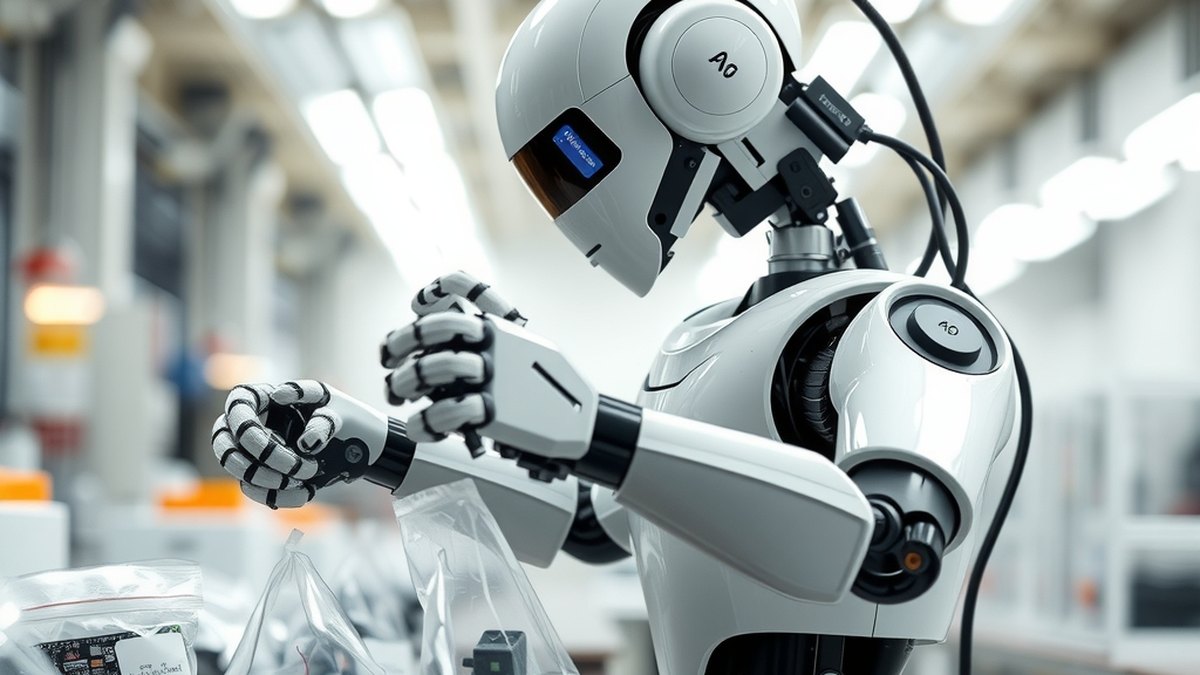
Gallop works at a workstation built for human workers inside an ASUS group electronics factory. Each board comes with 15 small accessories, many packed in thin, clear plastic bags. That makes the job a demanding test of dexterity, since the parts are small, soft and easy to misplace. The station takes about 20 seconds per board, and the robot works from a fixed base with two arms.
ASUS chose the setting deliberately. According to coverage of the unveiling, the company wanted to learn whether Gallop could handle most of an operation without a person working alongside it. That is a higher bar than a clip showing one grasp in a lab, because it requires consistent results across an entire shift.
The unveiling took place on November 13, 2026. ASUS began the project in early 2026, so the program has moved from development to a live test in about a year.
The Technology Behind It
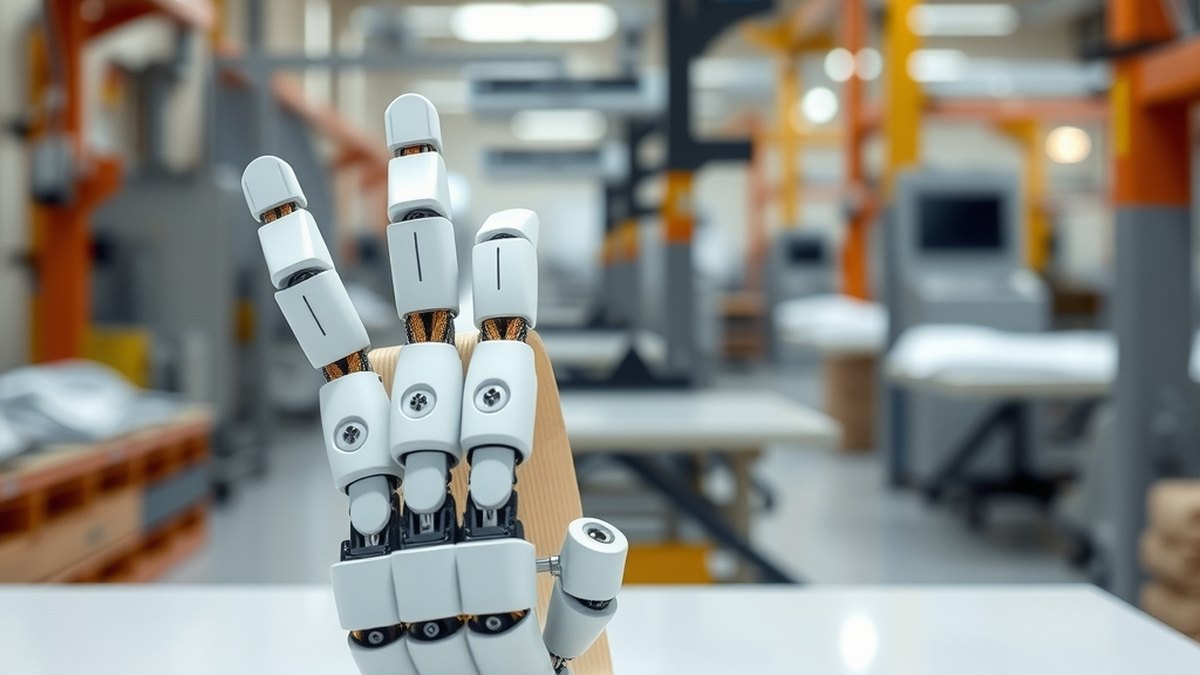
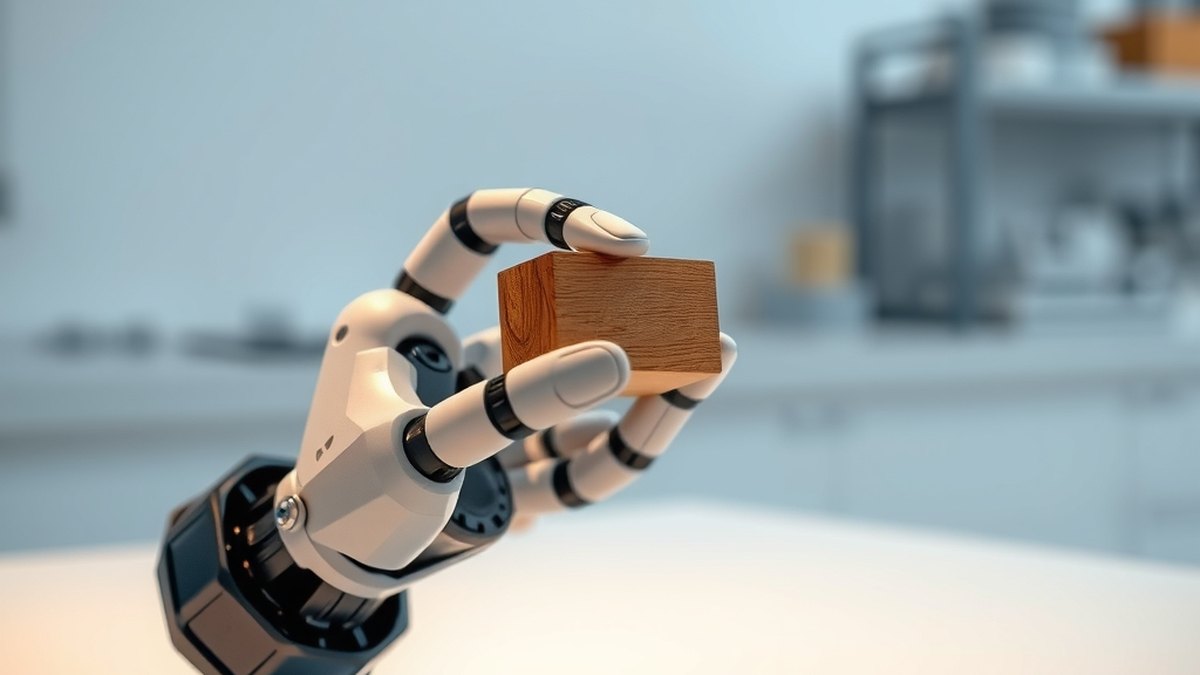
ASUS says it builds Gallop's body and dexterous hands in-house, and that a single NVIDIA Jetson AGX Thor computer runs the AI. The company describes the hand as the hardest part of the system to build. Its AI architecture is organized into four layers: planning, supervision, skills and control.
ASUS also says it trains Gallop on recordings of experienced workers wearing head-mounted cameras. Those are company statements. The reports do not independently verify the training method or its results, and ASUS has not published a measured success rate. The 99.5 percent figure is a target for the station, not a reported outcome.
The choice of a fixed base and two arms is also telling. It suggests ASUS is focused on a bounded task where the environment is predictable, rather than on open-ended mobility. That is the more realistic path for humanoids in factories today.
A Timeline Built Around Pilots
ASUS plans customer pilots in 2027 and a demonstration of Gallop at Computex 2027 in Taipei. Commercial sales are targeted for the second half of 2028. Those dates are plans rather than commitments, and the timeline depends on whether the station-level results hold up over longer runs and in other factories.
Customer pilots will be the first real test of the business case. A robot that performs well at one station still has to prove its value in cost, uptime, maintenance and changeovers when products change.
Workers and the Labour Question
ASUS says Gallop is meant to take over repetitive and physically demanding work rather than replace people. It also says workers who train the robot could move into setup, supervision or performance-improvement roles. Those are promises the company has yet to test over time.
Labour concerns in electronics assembly are real. Many of these jobs are repetitive, and manufacturers are under pressure to keep lines running with fewer hands. Whether Gallop's staffing effect matches ASUS's description will become clear only after pilots move into daily production.
Why It Matters
Electronics assembly has long resisted full automation because it involves many small parts, soft packaging and frequent product changes. A robot that handles that kind of work, if it meets its target, would show that humanoids can contribute to precise tasks rather than only heavy lifting or demonstrations.
Readers should watch three things. The first is whether ASUS publishes measured success rates rather than targets. The second is how many stations the company deploys. The third is how pilot customers describe the economics once the robot is running real shifts. A single station is a meaningful start, but it is not proof that a humanoid can replace a general-purpose factory worker.
For the broader robotics market, Gallop is a useful signal. Hardware makers are moving from showing humanoids walking and waving toward putting them in specific, measurable production jobs, where success can be counted in boards per minute and errors per thousand.