German robotics company Neura Robotics has teamed up with energy group E.ON and its regional subsidiary enviaM to develop humanoid robots for electricity grid work. The partners plan to train the machines first, then run real-world trials in 2027 on an eastern German distribution network. The effort targets inspection, monitoring and physically demanding tasks in places such as substations.
What the Partners Are Building
The collaboration, reported in the trade press in the first half of November, centers on physical AI, a term for artificial intelligence combined with robotic hardware that acts in the real world. Neura, E.ON and enviaM say they will develop and test AI-powered robots for critical energy infrastructure. Initial focus areas include equipment inspection, asset monitoring, substation monitoring and site security support. The group will also assess where robots could take over hazardous work.
Mitnetz Strom, enviaM's grid subsidiary and a regional distribution system operator in eastern Germany, will serve as the pilot partner. Interdisciplinary teams from E.ON, Mitnetz Strom and Neura are expected to define the specific tasks together, rather than starting with a fixed list of jobs.
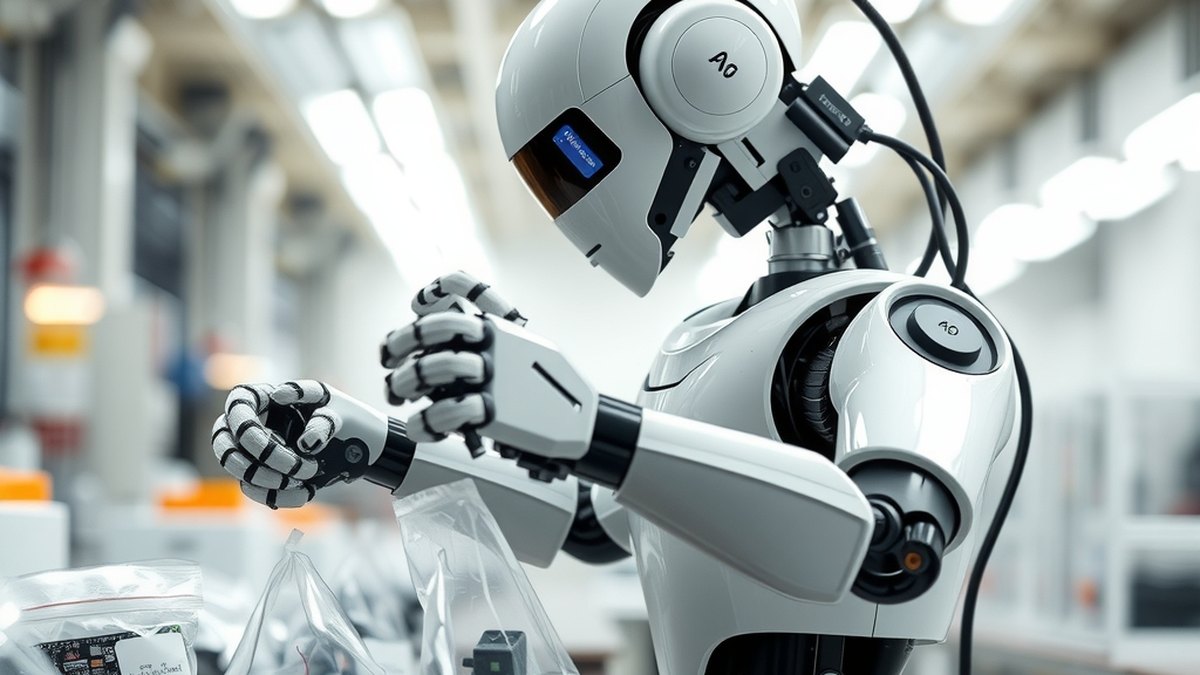
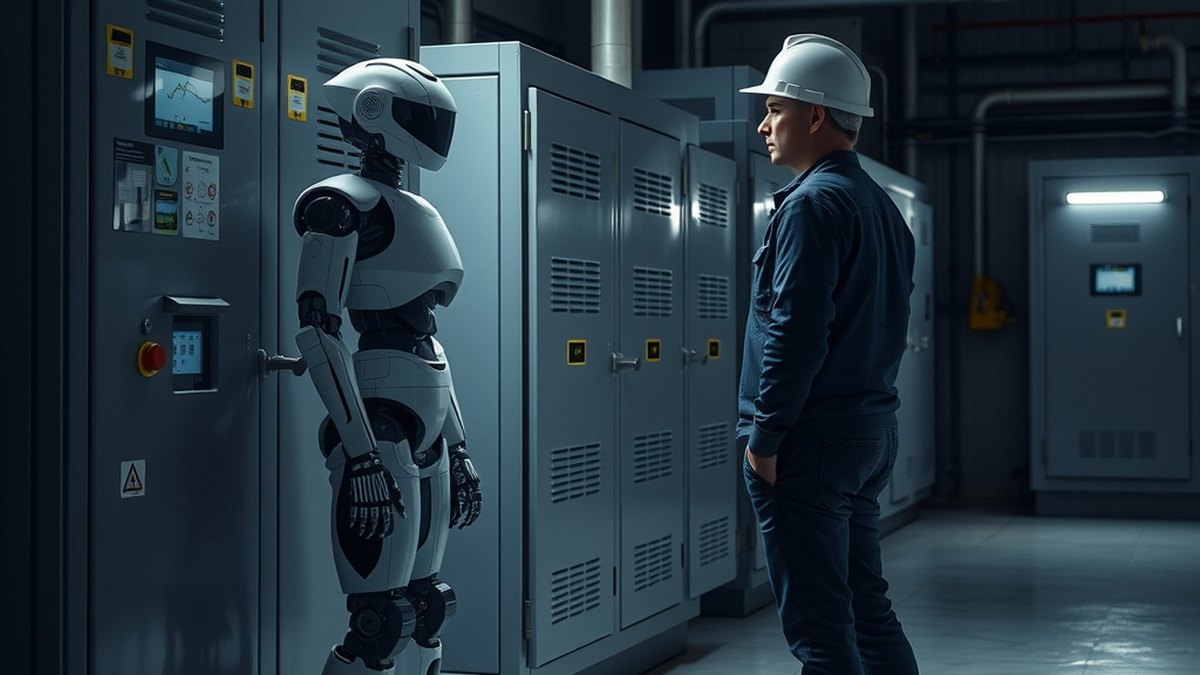
The hardware candidate is Neura's 4NE1 humanoid. The partners say it is meant to cope with stairs, doors and control cabinets, so that facilities would not need structural changes. That requirement is the core argument for a humanoid form over a wheeled inspection robot: substations were built for people, and the same entrances and cabinets define the working environment.
Where the Work Starts
The first phase is deliberately narrow. Initial work covers equipment inspections, substation monitoring and site security support, according to a trade report that followed the announcement. The partners will also evaluate where robots could be used in hazardous work environments, a question that determines which tasks can be handed to a machine and which must stay with a person.
That sequencing is typical of utility technology trials. Operators generally require a long period of supervised testing before a robot is allowed to perform a task without oversight, and they must document how the robot behaves around energised equipment, in confined spaces and during faults. Expect the early phase to be measured in tasks completed, incidents avoided and hours of supervision required, not in headline productivity figures.
How the Robots Will Learn
Training will draw on human demonstrations, data from real robot deployments and simulation. According to one report, demonstrations will be captured through motion capture, sensor-equipped suits and teleoperation, followed by the robot practicing the tasks itself.
Neura says its Neuron AI model, a multimodal foundation model, will run on the robots. Development and deployment will use Neuraverse, Neura's physical AI platform.
Training takes place at TUM RoboGym, a facility of more than 2,300 square meters near Munich Airport that opened in October 2026 in cooperation with the Technical University of Munich.
What the Companies Say
Neura founder and CEO David Reger said that "physical AI and cognitive robotics will fundamentally reshape the energy sector." Reports on the announcement also say he stressed that the expertise of workers on the ground remains essential, and that the goal is to combine robotics with that practical knowledge.
Stephan Lowis, CEO of the enviaM Group, said humanoid robots could take on routine, physically demanding or hazardous tasks, letting skilled employees concentrate on specialist work. Stefan Padberg, E.ON's senior vice president of innovation, said the collaboration will address grid safety, operational efficiency and infrastructure resilience, according to one report that paraphrased his remarks.
What Is Still Unknown
The announcement carries no financial terms, robot counts or performance targets. No site list beyond the eastern German pilot network has been given, and Mitnetz Strom expects only to gain its first practical experience in 2027, after what the partners call controlled development and testing. In other words, this is a development and pilot agreement, not a deployment.
Humanoid robots have also had a mixed record outside controlled factory demonstrations, and utilities will want evidence on safety around live equipment before robots work near it. The partners have not said which tasks will be allowed near energised assets.
Why It Matters
Grid operators face a skilled-labor squeeze and a growing inspection load as networks expand to carry more renewable power and electrified demand. Humanoids are being tested in warehouses and factories; electricity infrastructure is a harder, higher-stakes setting where mistakes carry safety costs. A utility-led trial gives the sector a more demanding test of whether general-purpose robots can do useful work in spaces built for people.
The pairing also shows how humanoid makers are looking for named industrial customers with defined problems. A clearly bounded task list, shared between the robot maker and the operator, is a more credible path than broad claims of general capability. If the 2027 trials go ahead as planned, the results should show whether humanoids can inspect and monitor equipment reliably enough to justify wider rollout.