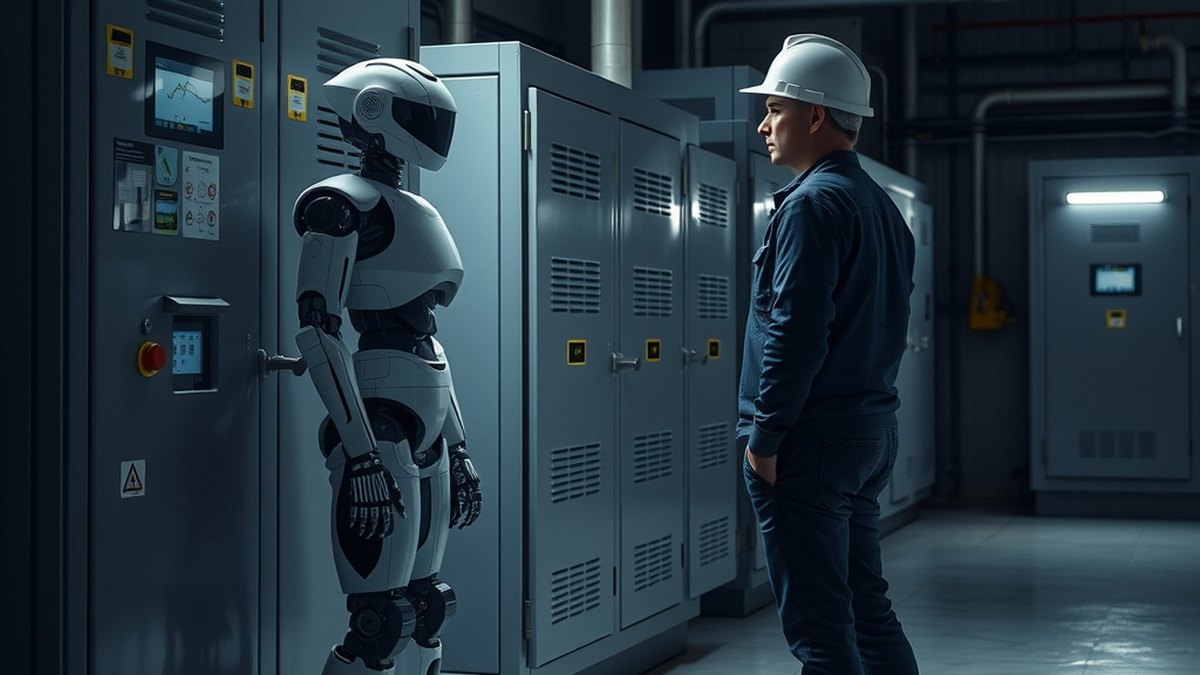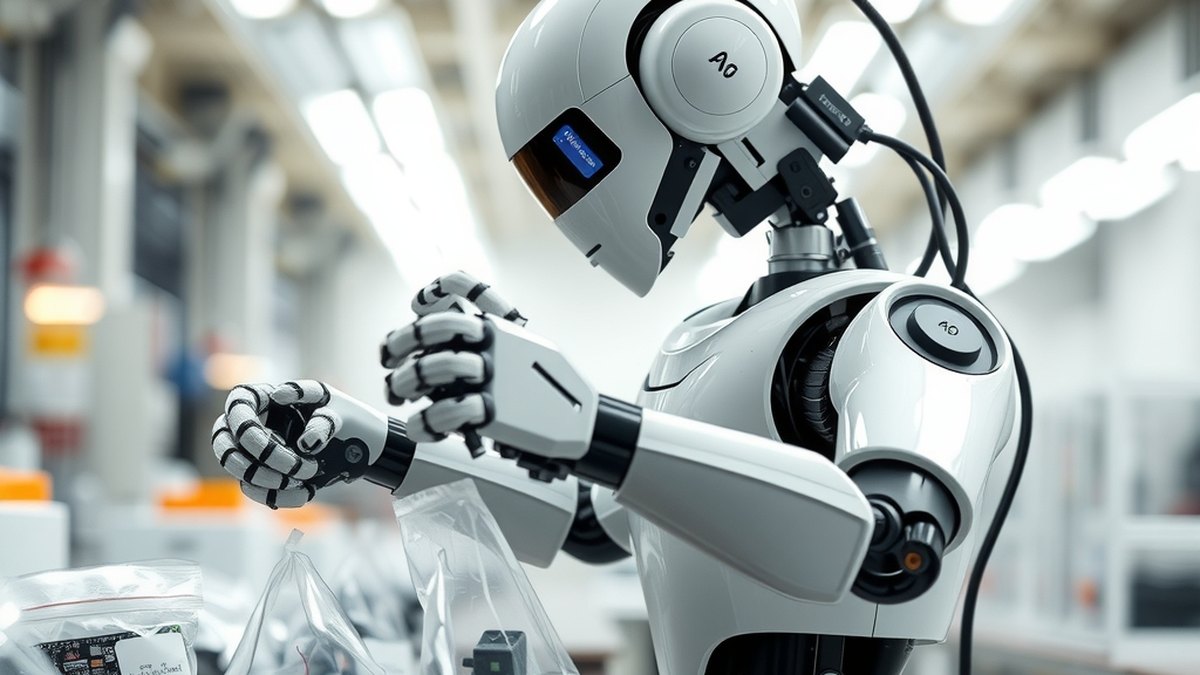
GXO Logistics and Apptronik have announced a plan that could deploy up to 1,000 Apollo humanoid robots across GXO's global operations over the next four years. The announcement, dated November 16, is a long way from a purchase order. The rollout depends on joint warehouse trials starting in 2027 and on the robots meeting performance, safety and operational targets that both companies have yet to fully define in public.
What Was Announced
The agreement is described as a letter of intent to expand development of Apptronik's technology for large-scale deployment under a Robotics-as-a-Service model. Under that model, the customer pays for a service rather than buying robots outright, which lowers the upfront cost for a logistics operator testing new hardware.
The stated path runs in stages. Joint trials in live warehouse operations begin in 2027 and are meant to confirm the safety, security and technical requirements for wider use. If those trials succeed, initial deployment in North America is planned for late 2027, with a global rollout to follow over the next four years. The total ceiling is 1,000 units.
The Conditions Attached
The qualifiers are the most important part of the story. The companies say the rollout is conditional on the trials succeeding and on the robots meeting agreed productivity, safety and operational targets. Each use case will be assessed and sequenced against those measures, so the 1,000-robot figure should be read as a ceiling rather than a commitment.
Reporting on the announcement made the same point. The Gadgeteer and other outlets described the plan as contingent, and noted that no pricing or per-robot cost has been published. Neither company has named the trial sites or said which Apollo model generation will be used.
Scale is also worth putting in context. Spread across four years, 1,000 robots would be a small share of a large logistics network. The announcement is better read as a structured test than as a sign that humanoids are about to replace warehouse labor at scale.
Where the Robots Would Work
The work described in coverage covers the core tasks of a modern distribution center: goods-to-person and person-to-goods picking, case and tote movement, packing, and sortation. Those are repetitive, high-volume jobs where a humanoid must share space with existing automation and with GXO staff. That is why the trials are framed around safety and integration as much as raw throughput.
The agreement's own language is blunt about its status. Coverage of the release quotes the phrasing "scale here is conditional" and notes that "the agreement is an intent, not an order" and that "no purchase order exists yet." The same coverage quotes the framing "one pilot down, a thousand to go," which captures the sequence: prove the robots in live operations first, then talk about volume.
Why It Matters
For the humanoid sector, the deal is a useful signal about where commercial interest is heading. Logistics operators are among the first buyers willing to test general-purpose robots, because their work is measurable and their tolerance for pilots is higher than in many other industries. A plan with defined trial gates is a more realistic model than the mass-deployment headlines that often accompany humanoid news.
The deal also shows how the market is structuring risk. A service-based model lets an operator scale up only where performance is proven, while the robot maker gains a path to recurring revenue. If the trials meet their targets, the 1,000-unit figure could become a meaningful order book. If they stall, the conditional language gives both sides a way out.
For readers tracking robotics, the key checkpoints are simple. Watch for named trial sites, published productivity and safety targets, and any update on pricing under the service model. Those details will show whether a letter of intent turns into a sustained fleet.