Genesis AI announced on November 17 that it had raised a $500 million Series A at a $3.5 billion post-money valuation. The money is meant to move its Eno general-purpose robot from development into real factories, warehouses and laboratories, and the company says it is already ramping up Eno production.
The Round and Its Backers
Premji Invest, Khosla Ventures and Eclipse co-led the round. Other participants include Durable Capital Partners, T. Rowe Price, Bpifrance, HSG, NVIDIA, AMD Ventures, Zoom, Samsung Next and Ericsson, along with individual investors Eric Schmidt and Eric Yuan. The breadth of the list reflects how much capital investors are now directing toward physical AI, the category of systems that act in the real world rather than only on screens.
The company said the funds will go toward expanding data collection and large-scale training, improving robot manipulation skills, deploying Eno with customers and hiring AI researchers and engineers. Zhou Xian, Genesis AI's co-founder and CEO, put the goal simply: "This funding will accelerate our efforts to deploy our robots in the real world at scale."
What Eno Is
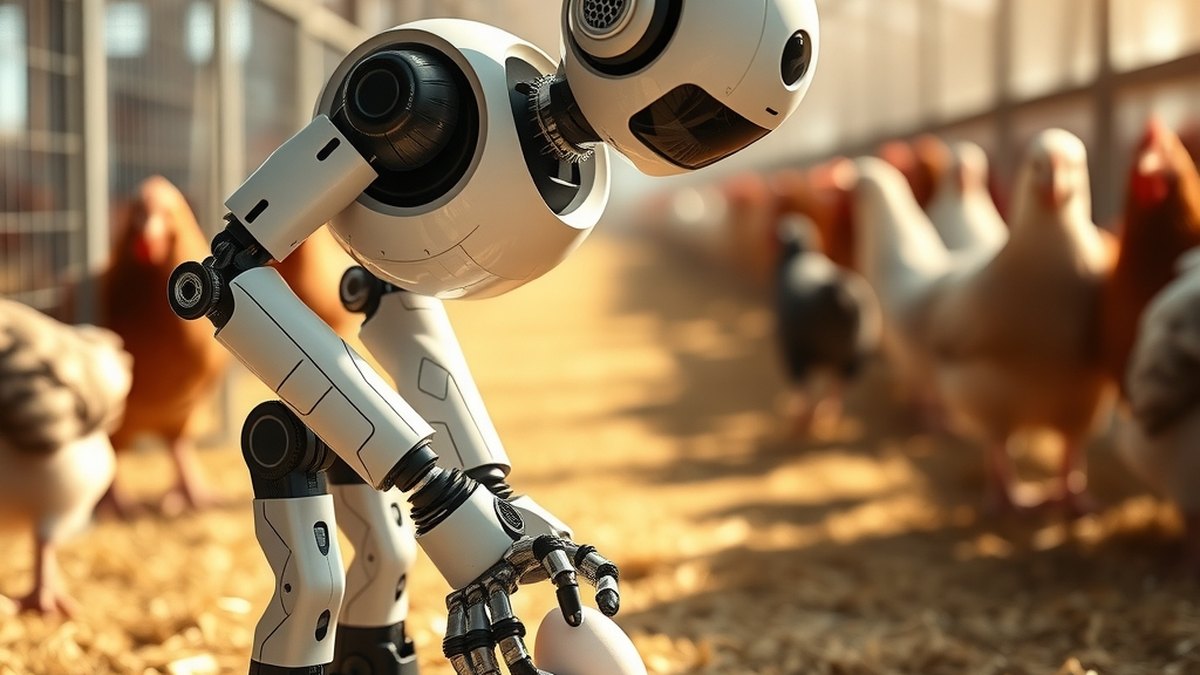
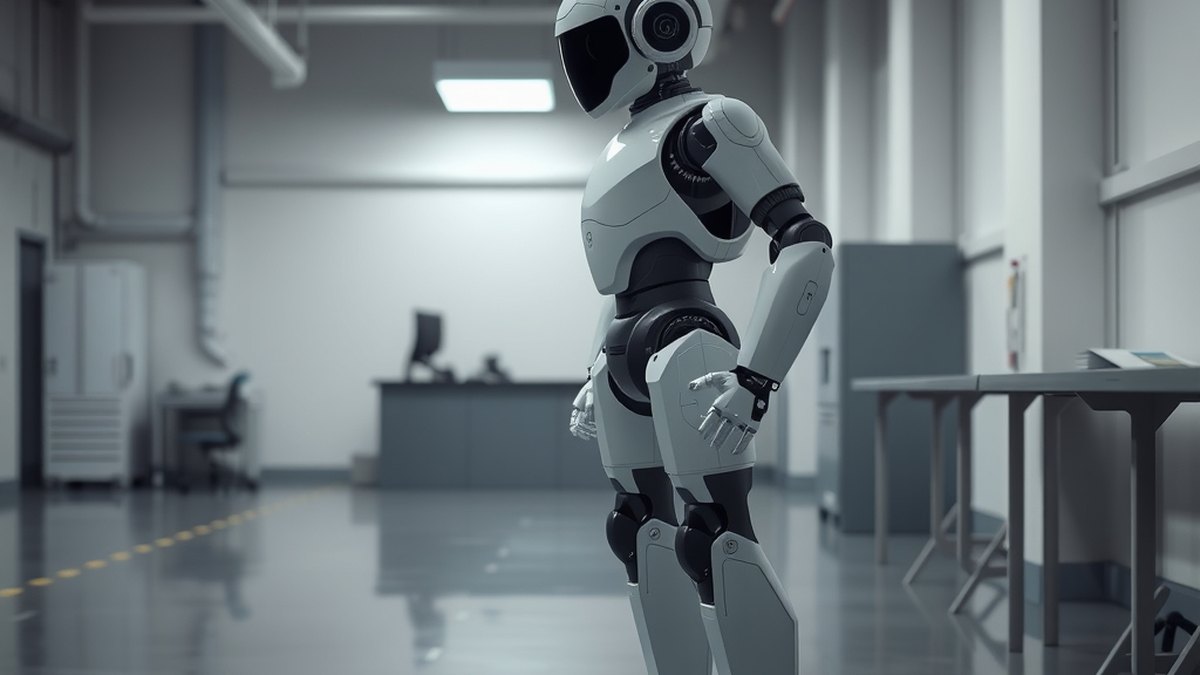
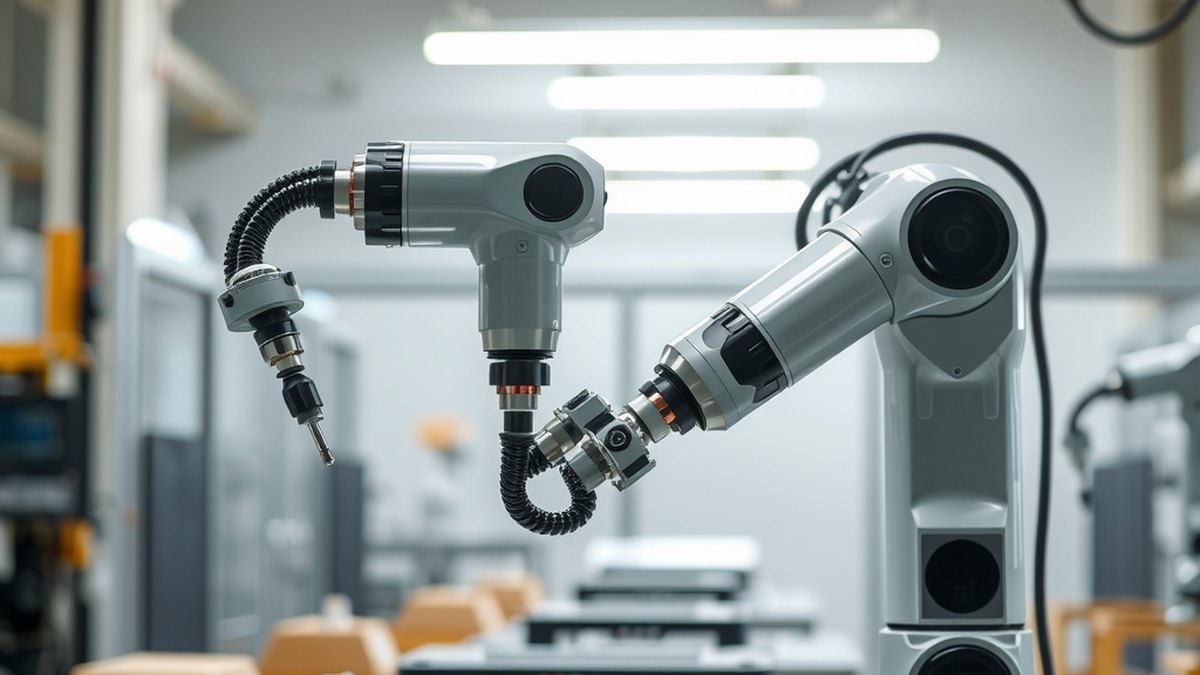
Genesis describes Eno as its AI-powered general-purpose robot, designed first for manufacturing and logistics. Unlike many humanoid machines, it puts physical capability ahead of human appearance. Its design pairs compact mobility with dual-arm manipulation, a combination aimed at repetitive and physically demanding work where dexterity matters more than a human-like silhouette.
Eno sits inside a wider stack. Genesis pairs the robot with GENE, an AI foundation model, and with Genesis World, a simulation platform. The combination reflects a broader industry pattern in which companies train robot behavior in simulated environments and then refine it with real-world data. Simulation can generate practice at scale, but the transition to the factory floor is where unexpected conditions appear.
A Staged Rollout
Genesis has laid out a sequence rather than a single launch. According to the company's announcement, Eno will first roll out in industrial settings such as manufacturing, logistics and laboratories. The company then plans to expand into hospitality and healthcare, followed by consumer and outdoor uses. The order is practical: industrial customers can tolerate early errors more easily than customers in homes or hospitals, and they generate the kind of structured data that helps a model improve.
- Industrial first: manufacturing, logistics and laboratory work.
- Service settings next: hospitality and healthcare environments.
- Consumer and outdoor later: homes and outdoor settings, with no dates given.
Coverage of the round notes that real-world deployments are meant to surface failures that feed back into development. That approach is sensible, but it also means the company's progress will be measured in deployments and repeat customers rather than in funding announcements.
Why It Matters
The valuation signals strong investor appetite for robots that can do general work, but it does not prove that the technology is ready for scale. General-purpose machines face a harder test than single-task robots, because every new job brings different objects, lighting, safety rules and failure modes. A robot that performs well in a demonstration may still struggle when a shift runs long, a part is misplaced or a process changes without warning.
Investors are betting that a foundation model, a simulation platform and a steady flow of real-world data can produce a machine that is useful across many tasks. Several companies have placed similar bets this year, and the outcomes will show which approaches hold up under production conditions. The round also matters for manufacturing and logistics, where labor shortages and tight margins make flexible robots attractive. If Eno can handle a range of tasks without custom programming for each one, it could widen the pool of buyers beyond large automation specialists.
The Competitive Picture
Genesis is not alone in chasing general-purpose robots with large sums. The field now includes companies building humanoids, wheeled machines and task-specific arms, and investors have been spreading money across all of them. What sets Genesis apart in its own description is the full stack: a robot, a foundation model called GENE and a simulation platform called Genesis World. Companies that control more of that stack can iterate faster, but they also carry more of the engineering burden if one layer falls behind.
The company's list of investors also signals where industry expectations are heading. Chip and infrastructure suppliers such as NVIDIA and AMD Ventures participate alongside financial backers, which suggests that compute and simulation capacity are seen as central to physical AI rather than as afterthoughts. Whether those relationships translate into lower training costs or faster deployments is a question the round itself cannot answer.
What to Watch
Three developments will indicate whether Genesis can convert funding into deployments. The first is whether Eno moves from pilot programs to paid, repeat deployments with named customers. The second is how quickly the company expands its data collection and training operations. The third is whether the hospitality and healthcare phase follows the industrial phase, since the company has not published dates for that transition. Until those milestones arrive, the round is best read as a bet on execution.