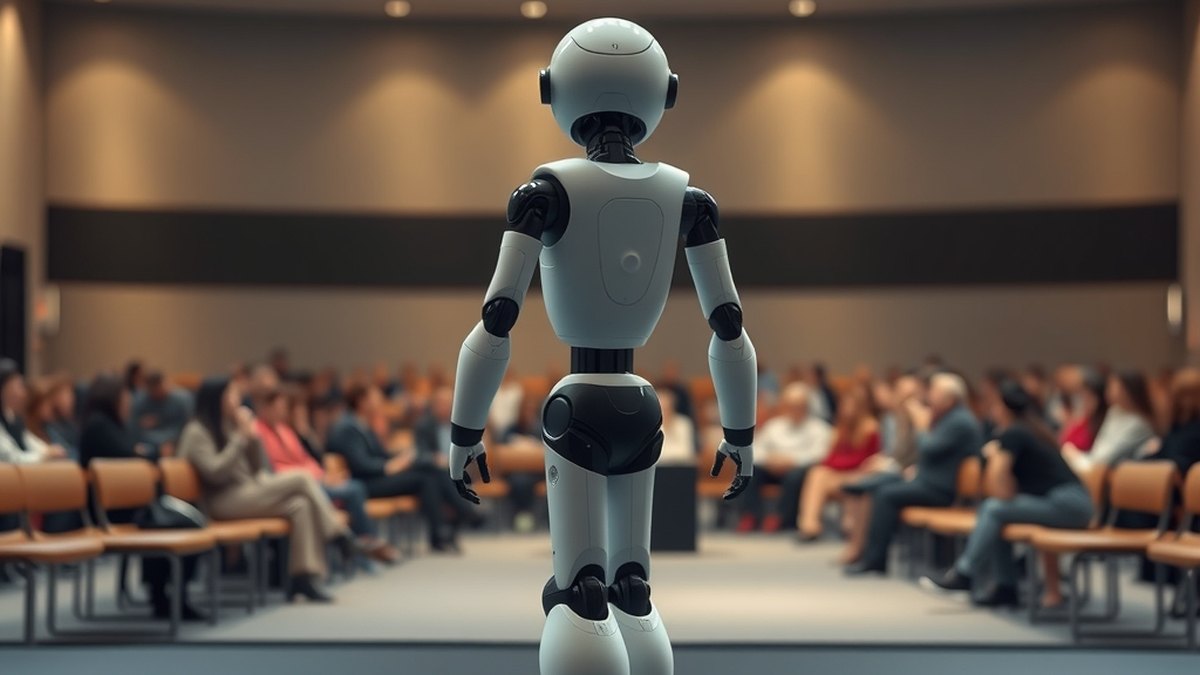
XPeng's 2026 AI Day takes place today in Guangzhou, and the headline attraction is IRON, the company's general-purpose humanoid robot. The event, themed "Origin," is set to bring IRON on stage for live audience interaction. It will also showcase the company's wider push to move AI from software into physical machines, including vehicles and robotaxis.
What XPeng Is Showing
According to pre-event coverage, the event starts at 2:00 p.m. Beijing time at XPeng's headquarters in Guangzhou. It is the eighth edition of the company's annual technology showcase. Chief Executive He Xiaopeng has framed the event around how AI models and physical bodies evolve together, and how software and hardware must work as one system in the real world.
The plan includes several demonstrations. XPeng says it will show how its Turing AI chips change the in-car experience. The company's release also promises attendees hands-on experiences across driving automation, from its NGP driver-assistance system up to L4 robotaxi. One report on the event, however, does not mention robotaxis on the program and only refers to them in the context of last year's AI Day, so attendees should expect the robotaxi segment to be confirmed on the day.
IRON's Claimed Capabilities
The most significant claim is that IRON runs XPeng's Physical AI model on the robot itself. The company says this allows autonomous task execution without teleoperation, meaning the robot does not depend on a remote human operator to act. That is the distinction that separates a demonstration from a deployable machine, and it is the claim the event will test.
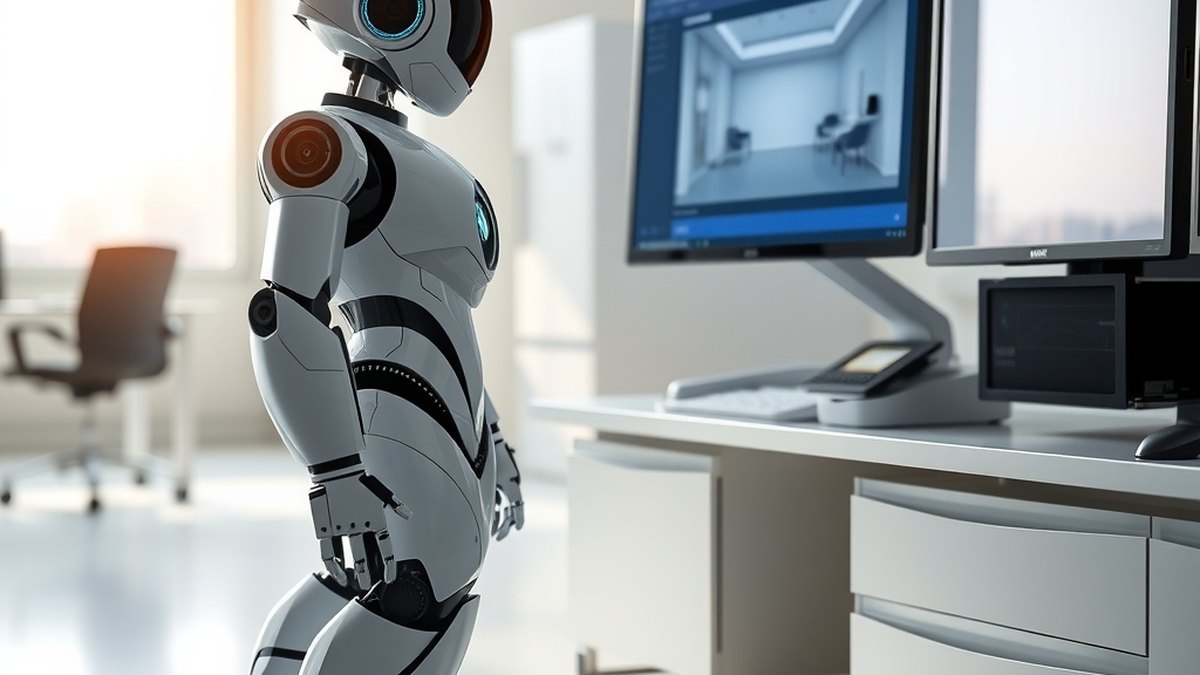
Published specifications describe a robot about 170 centimeters tall with a highly anthropomorphic design, 76 degrees of freedom across the body, 21 in each hand, and three in-house Turing AI chips delivering up to 2,250 TOPS of compute. Other coverage cites a different count, 82 body degrees of freedom and 22 per hand, so the exact figures should be checked against XPeng's own materials after the event. None of the figures has been independently verified.
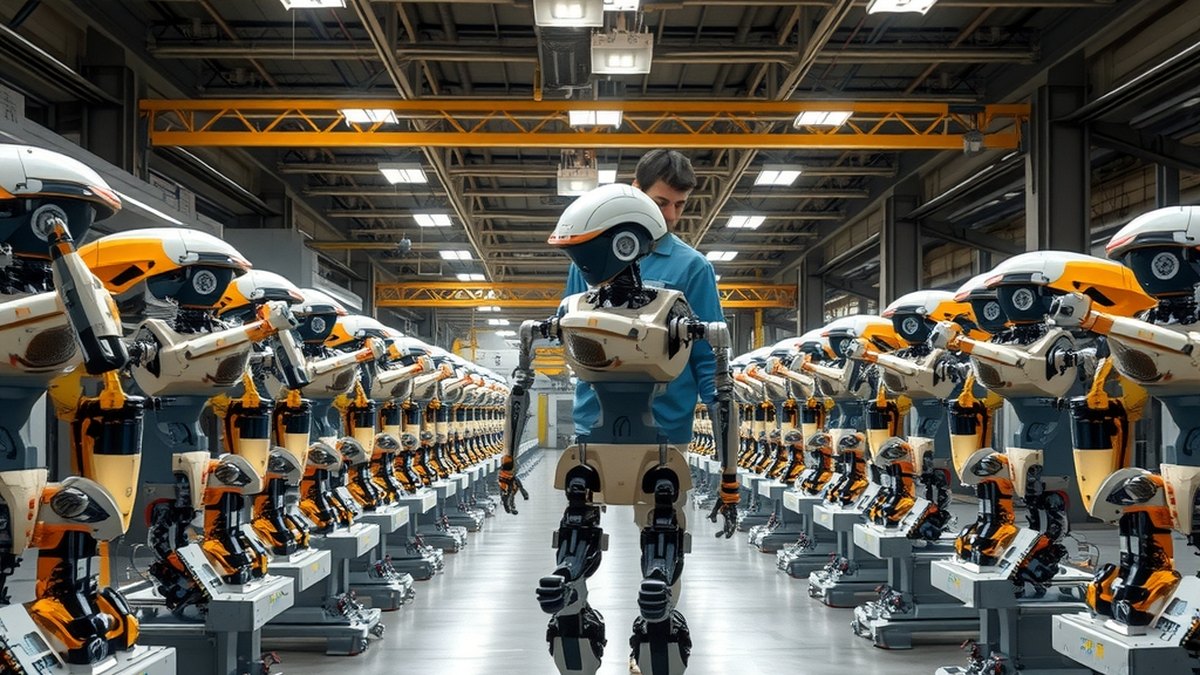
The robot also has a production history. XPeng says the latest IRON rolled off a newly commissioned production line on September 8, 2026, after roughly eight years of research and development. Such a timeline suggests the company is moving beyond prototypes, though the sources do not disclose production volumes or customer orders.
Money is also flowing into the robotics unit. In August 2026, XPeng's robotics business raised more than US$900 million in equity at a post-money valuation above US$6.3 billion, according to the company's release.
The Robotaxi Thread
XPeng's robotaxi work provides the second half of the story. In October, its Xpeng Yoyo service, which runs on the company's in-house Turing AI chips, received approval for citywide Level 4 robotaxi pilot operations in Guangzhou. That is a step from testing toward commercial validation, though it is still a pilot rather than a full commercial service.
Pairing a robotaxi program with a humanoid robot is not an accident. Both depend on perception, planning and on-board compute running in the physical world. A company that builds the chips, the models and the vehicles can, in theory, reuse the same stack across machines. XPeng's pitch is that physical AI is one platform, not separate projects.
What to Watch
Several questions will shape how the event is judged:
- Autonomy in practice: whether IRON completes live tasks without a remote operator, and how long it runs without help.
- Robotaxi presence: whether the L4 segment is shown on stage or only described.
- Spec verification: whether the 170-centimeter height and compute figures hold up when outside observers can examine the hardware.
- Scale: whether production moves beyond the single line mentioned in the company's timeline.
Why It Matters
Humanoid robots have drawn huge attention in 2026, but most public demonstrations are carefully staged. A live event where a company promises on-device autonomy, without teleoperation, puts a specific claim on the record. If IRON performs well, XPeng gains a credible position in the race to build general-purpose robots. If it stumbles, the event will become a reminder of how far the category still has to go.
The broader lesson is about where the industry is heading. Carmakers that already build AI chips and driver-assistance systems are moving into robots, and robot builders are learning from autonomous driving. Today's event is a test of whether that cross-pollination produces machines that work outside the lab.