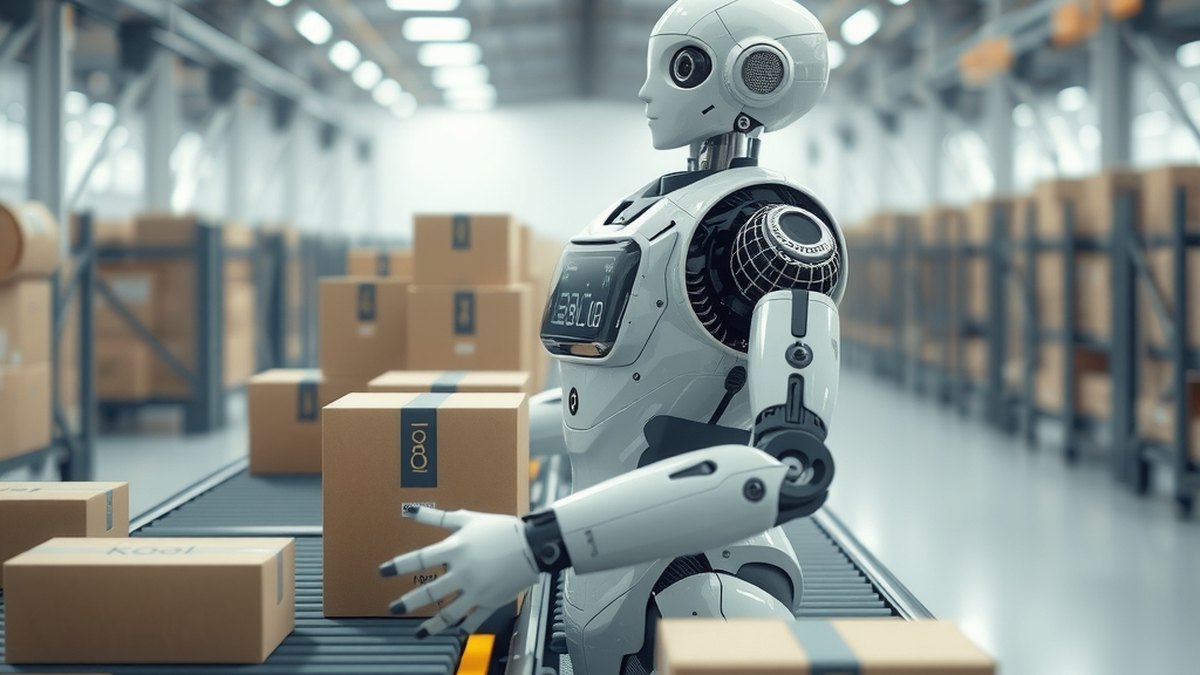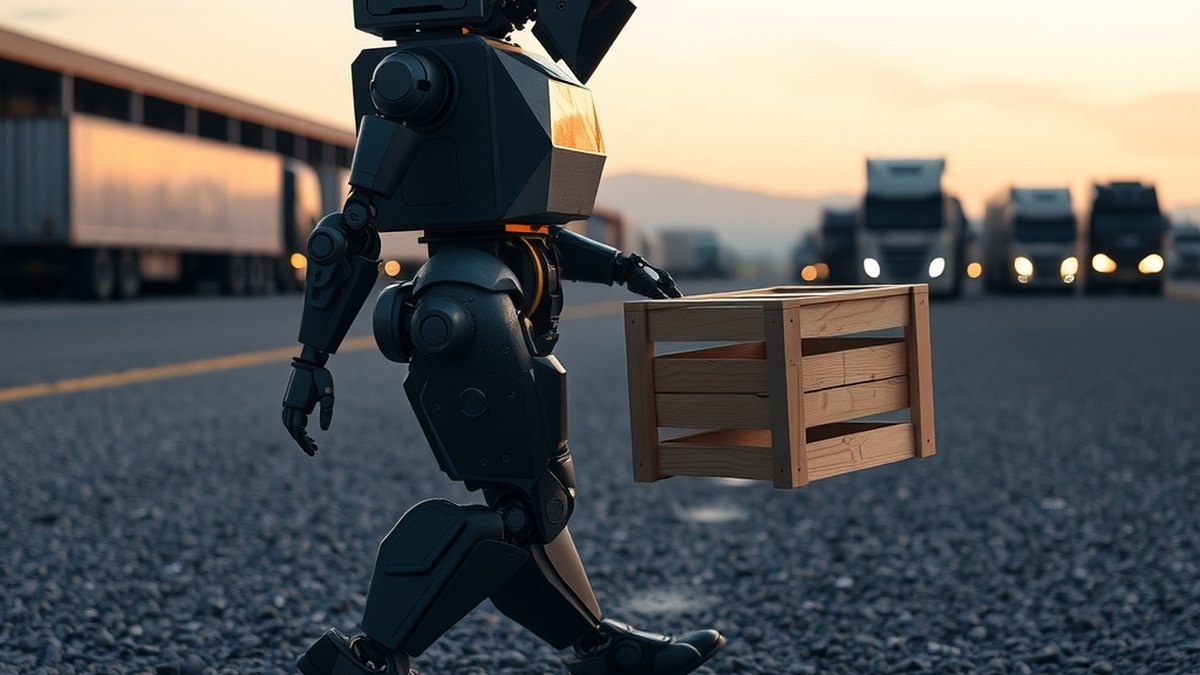
Foundation Future Industries has unveiled the Phantom MKII, a second-generation humanoid built for rugged work such as field logistics, along with an upgraded AI control system called Cortex II. The company says the robot can carry up to 200 pounds while walking through rain, snow and dust, and it plans early production in the San Francisco Bay Area in early 2027. The launch follows field trials of the predecessor that exposed real limits, which the new design is meant to address.
From Phantom MK-1 to MKII
Foundation was founded in 2024 by CEO Sankaet Pathak and Mike LeBlanc, a former U.S. Marine Corps officer. In a Fast Company interview published November 18, Pathak tied the new model to problems found in the MK-1, including limited battery runtime, weak waterproofing and insufficient lifting capacity. According to coverage of the redesign, the MKII adds environmental sealing against rain, snow and dust, higher-load actuators, and a simpler assembly process that the company says halves the bill-of-materials cost.
The reporting does not give a battery runtime figure for the MKII, and no specific waterproofing rating has been published. Those gaps matter because runtime and sealing are often what separate a demonstration robot from one that can work a full shift outdoors.
What Cortex II Adds
Cortex II is the companion AI control system. It learns physical tasks from human demonstrations, and the company says certain operations can be taught with as few as 60 examples. Learning from a small number of demonstrations is important for machines expected to work in messy environments, where engineers cannot script every movement in advance. The figure comes from the company and has not been independently verified.
A Defense Pitch
Foundation is pursuing dual-use defense and rugged field applications rather than focusing only on indoor settings. Its current defense work centers on logistics rather than combat. The company describes a human-in-the-loop framework in which people keep final authority over any use of force. Pathak has said the company would consider arming its robots if the U.S. military asked.
Earlier in 2026, Foundation sent two MK-1 units to Ukraine for non-combat logistics and reconnaissance evaluations. Independent reporting later disputed how extensively those units operated on the ground. The company says the trials showed the need for fall recovery, ruggedized joints and longer endurance. The coverage also raises open questions about whether the company's cash position could slow its 2027 production target, though the sources do not quantify that pressure.
Why It Matters
Humanoid makers have long shown more demonstrations than field results. A 200-pound payload carried while walking outdoors would be a meaningful specification if it holds up under independent testing, and the company's claims have not yet been tested that way. The defense angle also raises the stakes for governance, since rules for human oversight of machines that carry loads for the military are still taking shape.
The business questions are just as important. Early production in early 2027 depends on funding, supply and assembly progress, and the company has not published detailed production volumes. Whether early military research agreements turn into larger procurement orders will show whether the MKII can move from prototype to fielded product.
The Phantom MKII also sits in a crowded field. Logistics has become one of the first places where humanoids are being tested, and buyers are looking for proof of uptime, payload and maintenance costs rather than stage demos. A rugged, sealed design with a lower bill of materials speaks directly to that buyer, but only if the specifications survive real use.
How It Compares With Other Humanoid Work
Much of the humanoid industry's recent news has been about factory and warehouse pilots. Agility Robotics, GXO and other logistics operators have focused on tasks inside controlled buildings, where floors are flat, lighting is steady and the environment is known in advance. Foundation is taking a different path by designing for weather, dust and uneven ground from the start. That choice trades some of the simplicity of indoor work for a market where a robot that works outdoors has fewer direct rivals.
The design goals also show what the company thinks matters most: sealing against the elements, higher-load actuators and a lower bill of materials. Cost is a central issue for every humanoid maker, because a robot that is too expensive to build cannot be sold at scale, even if it performs well. Pathak's claim that the simpler assembly halves bill-of-materials cost would, if it holds, do more for the company's commercial prospects than any single demonstration.
What to Watch
- Independent tests of the 200-pound payload and outdoor durability.
- Whether early production begins in the Bay Area on the early-2027 schedule.
- Published battery runtime and waterproofing ratings for the MKII.
- Whether early military research agreements become procurement contracts.